
Losing one tooth feels manageable at first. You chew on the other side. You learn to smile with your lips closed. Then a year passes and the teeth on either side start to lean into the gap.
A single dental implant replaces that one tooth without touching the healthy teeth next to it. Dr. Chiranjeevi Tummala places implants for patients across Meyerland, Bellaire and southwest Houston, and this is the treatment she is asked about most.
Three Ways to Replace One Tooth, Side by Side
One gap, three real options. They are not equivalent, and the differences matter more than most patients expect when they first sit down.
- A single implant. A titanium post goes into the jawbone where the root used to be. It stands on its own. The teeth on either side stay exactly as they are. It takes the longest, because bone needs time to heal around the post.
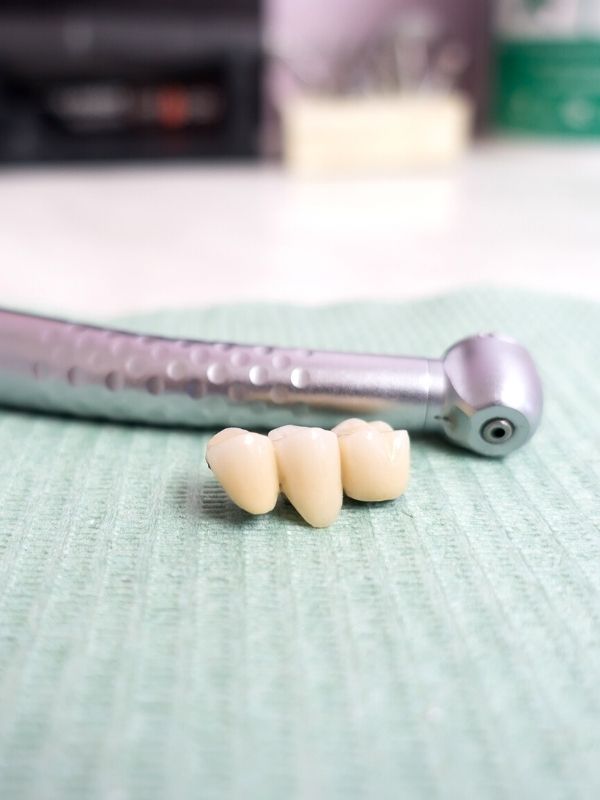
- A dental bridge. Faster, and finished in a handful of visits. The trade is real though. The two healthy teeth beside the gap have to be reshaped so they can carry the bridge, and once enamel is removed it does not come back.
- A removable partial. The lowest cost up front and the quickest to make. It comes out at night, it moves a little when you chew, and it sits on the gum rather than in the bone.
Read the full picture on our dental implants page. Dr. Tummala will walk you through which one fits your mouth and your plans. She will not steer you toward the most expensive option by default.
The Bone Under the Gap Is the Real Difference
Your jawbone stays dense because a tooth root pushes into it every time you bite. Take the root away and the bone in that spot slowly thins. That is why people who have gone years without a tooth develop a hollow area along the jaw line.
The gap does other work too. Neighboring teeth tip toward the empty space. The tooth above or below it drifts. Your bite changes. Food starts packing into the new angles, cleaning gets harder, and gum problems follow. If your gums are already sore or bleeding, that gets treated first, sometimes with laser gum disease treatment.
An implant post keeps that bone working. A bridge and a partial both sit above the bone, so neither one can do it. That single fact is why an implant is usually the option Dr. Tummala talks about first when the bone is still there to work with.
How Dr. Tummala Places a Single Implant
Here is the order it happens in, so nothing lands as a surprise.
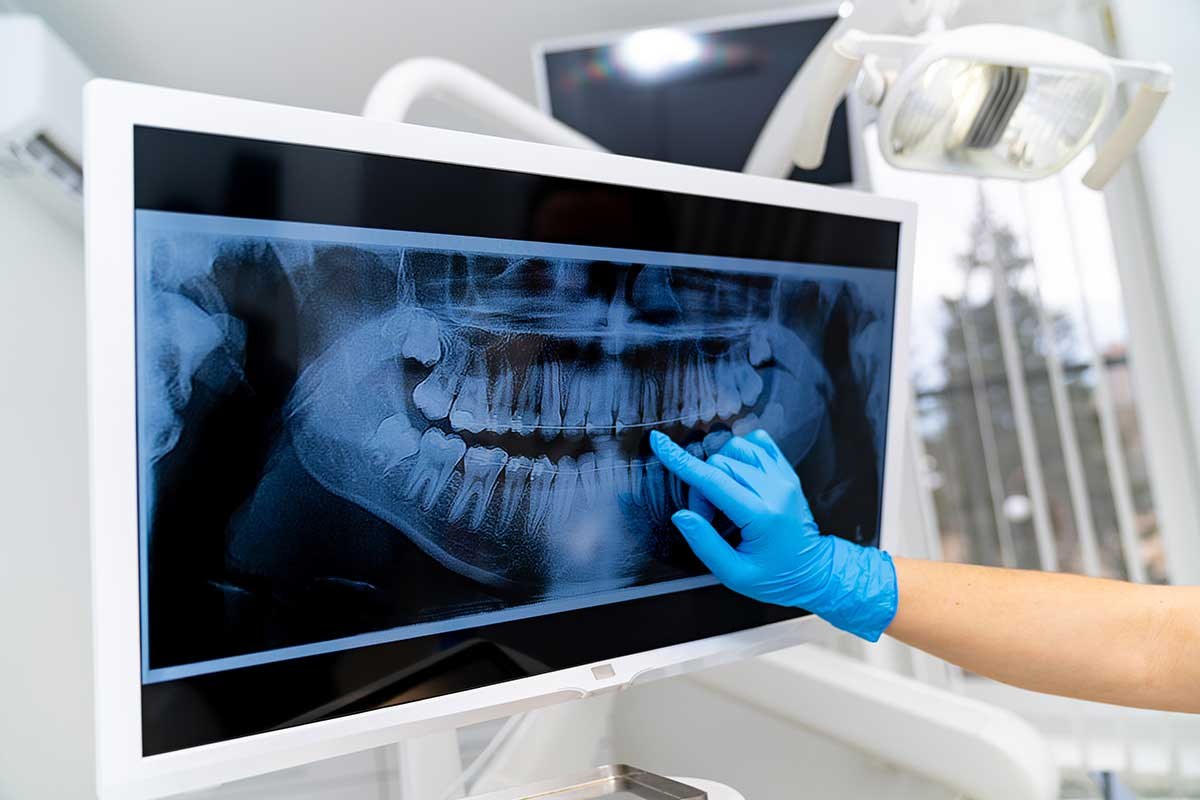
- Exam and imaging. She checks how much bone you have and how healthy the gum around the site is.
- Planning. She maps where the post goes and what the finished tooth has to look like to match the ones beside it.
- Placement. The area is fully numbed and the post goes in. Most patients tell us afterward that it was easier than they had built it up to be.
- Healing. Bone grows against the post over a few months. You are not left with a visible gap while that happens.
- The crown. We fit the crown, check how it meets the teeth above it, and adjust until your bite feels normal.
If the tooth is still in place and needs to come out, that happens first. Sometimes the implant can be planned around the extraction. Sometimes the site heals for a while before anything else is done.
Before you plan one, it is worth checking whether you are a candidate for a dental implant, because bone and gum health decide the timeline.
If There Is Not Enough Bone Yet
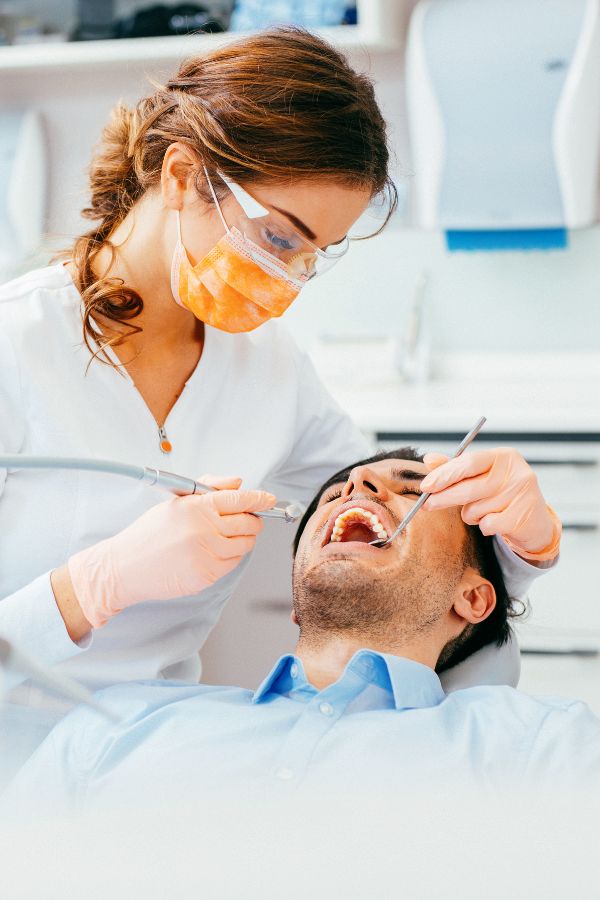
When a tooth has been gone a long time, or was lost to infection, there may not be enough bone left to hold a post securely. Dr. Tummala may then recommend building the site up first with a graft.
That adds months. It also turns a case that would otherwise be a no into one that works. She will put the imaging on the screen and show you why she is suggesting it, rather than adding a line to a quote and hoping you do not ask. Plenty of patients never need this at all. It is worth knowing about so it does not feel like an upsell if it comes up.
Who an Implant Suits, and Who Should Wait
Most healthy adults are candidates for a dental implant. Three things decide it: how much bone is left, whether your gums are healthy, and whether anything in your medical history slows down healing.
Smoking is the one we will be direct with you about. Implants fail more often in people who smoke, and you deserve to hear that before you commit rather than after.
Sore, bleeding or receding gums mean we treat those first. Placing a post into inflamed tissue sets the whole thing up to fail years later. Waiting a few months for the gums to settle is not a delay, it is part of the treatment.
Age on its own rules nobody out. If you have been told elsewhere that you are not a candidate, it is still worth a second look, because the reason matters and some reasons can be fixed.
What This Treatment Will Not Involve
There are a variety of things patients brace themselves for that are actually not part of a normal single implant.
- Months without a tooth. In most cases we fit something temporary so you are not walking around with a visible space while the site heals.
- Work on the teeth on either side. The teeth on either side are not filed, crowned or drilled. That is the structural advantage over a bridge, and it is the whole point.
- One appointment and done. Healing time is biology, not scheduling. Anyone promising a finished implant in a single visit is glossing over an important step.
- A number before the exam. Dr. Tummala will not quote you until she has looked in your mouth and at your images, because a guess is worse than no answer at all.
Being straight about all of this at the start is why most of our implant patients finish. Surprises partway through are what make people stop.
Living With an Implant Afterward
The first week is the one that matters most. Expect some swelling and tenderness. Eat soft food on the other side, keep the area clean exactly as instructed, avoid cigarettes, and call us if anything feels wrong instead of waiting to see. A problem caught in week one is far easier to handle than something put off.
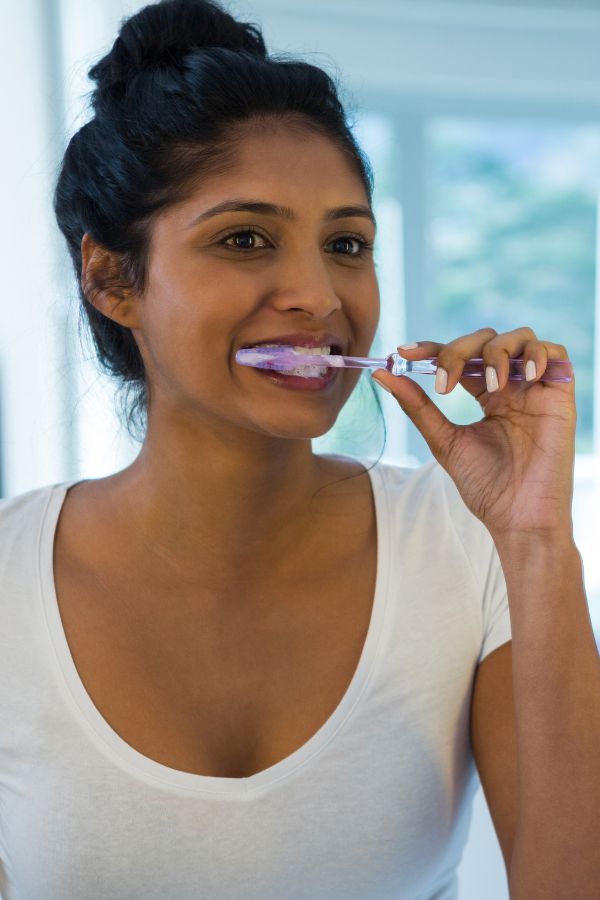
After that it settles into ordinary life. Brush the implant like a natural tooth. Clean between it and the teeth beside it every day. Keep your cleaning appointments.
The One Habit That Decides How Long It Lasts
An implant cannot get a cavity. However, the gums and bone around it can still get infected, and that is what causes implants to fail years down the line rather than anything going wrong with the post itself.
Cleaning around the implant matters more than it did for the tooth it replaced, not less. If you have a history of gum disease, Dr. Tummala may put you on periodontal maintenance so the tissue gets checked and cleaned on a shorter cycle. Patients who stick to their cleaning schedule have longer lasting dental implants.
Frequently Asked Questions
Will the implant look like my other teeth?
The crown is shaped and shaded to match the teeth around it, including the way they catch the light. In most cases people cannot pick out which tooth is the implant.
What if the tooth is still there and needs to come out?
That is common, and it does not change the plan much. Sometimes we can place the implant around the same time as the extraction. Sometimes the site is better left to heal first. Dr. Tummala decides that from your images. If you are in pain right now, start with our emergency dental care page.
Can I eat normally while the implant heals?
Not for the first few days. After that most people are back to a normal diet, with the site itself kept out of the heavy chewing until it has healed. We give you specific instructions rather than a general list, because it depends on where in your mouth the implant sits.
Does an implant need special cleaning tools?
Usually a soft brush and something to clean between the teeth is enough. Some patients get on better with an interdental brush or a water flosser around the implant. We will show you what works for your mouth at the follow-up visit.
How long do implants last?
They are designed as a long-term replacement, and many stay in service for decades when the gum around them is looked after. Nobody can promise you a number of years, and it is fair to be wary of anyone who does.
I only have one gap. Is an implant worth it over a bridge?
It depends on what you value. A bridge is quicker and involves the teeth on either side. An implant takes longer and leaves those teeth alone. If the neighboring teeth are healthy, that is usually the argument that decides it. Dr. Tummala will lay out both for your specific gap.
Ready to Deal With That Gap?
One missing tooth is a small problem that gets quietly bigger. Make an appointment while it is still small and the fix is still simple.
Dr. Tummala sees patients from Meyerland, Bellaire, Braeswood and Willow Meadows. Call 713-723-7200 or request an appointment, and she will tell you plainly which of the three options makes sense for you. You can read more about Dr. Tummala before you come in.
Related Pages
If you want to read further before you pick up the phone, start with these:
- Dental Bridges The faster route, and what it asks of the teeth either side of the gap.
- Dentures and Partials Removable options for one missing tooth or several.
- Dental Crowns How the visible part of an implant is made, shaded and fitted.
- Tooth Extractions What happens when the tooth has to come out before anything can replace it.
Cannot tell which one describes your situation? Call the office and someone will talk it through with you.