
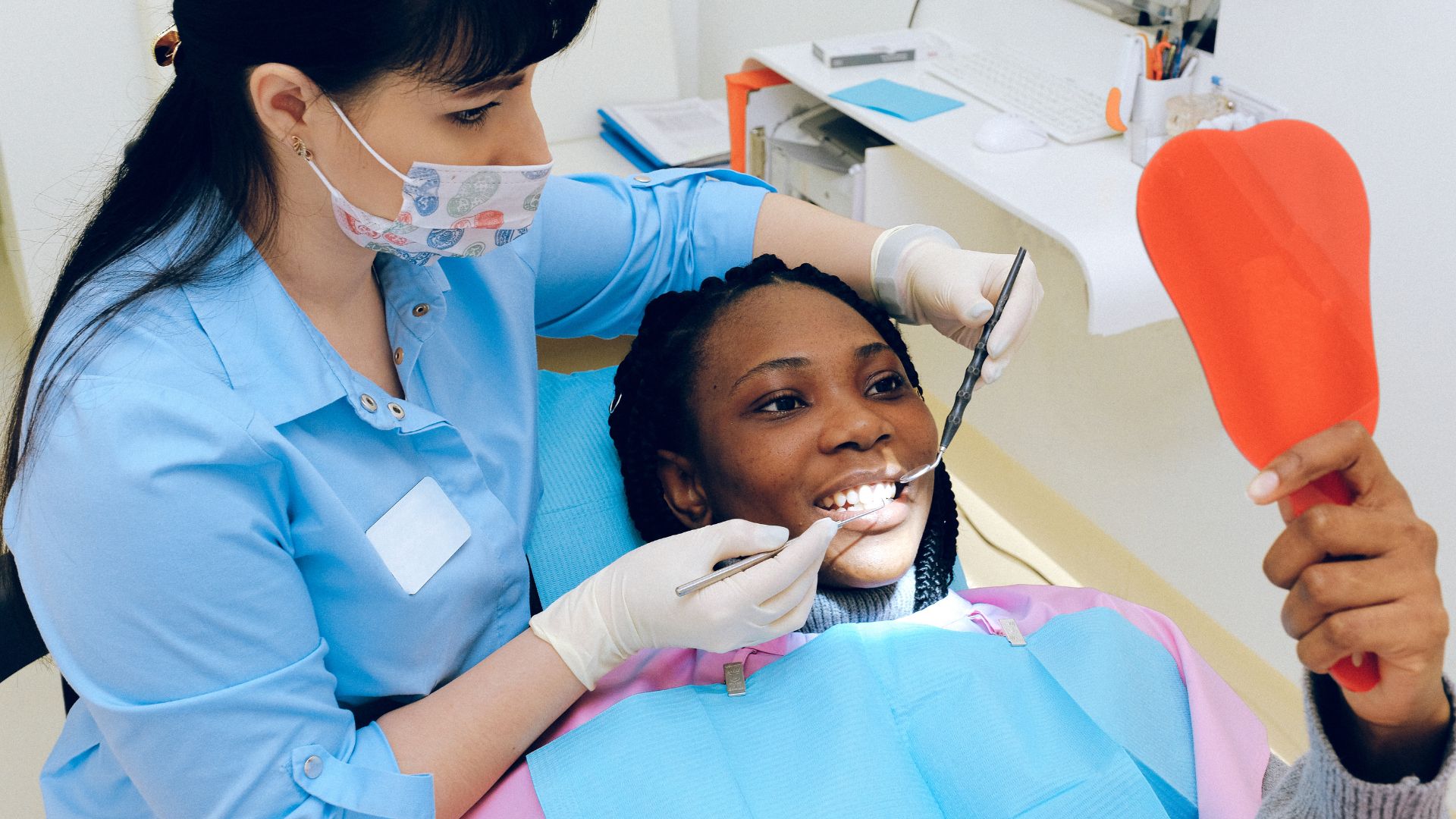
A dental prophylaxis is a CLEANING treatment performed to thoroughly clean the teeth and gums. Prophylaxis is an important dental treatment for stopping the progression of gingivitis and periodontal disease. Prophylaxis is an effective procedure in keeping the oral cavity in proper health and halting the progression of gum disease. The benefits include:
- Plaque removal. Tartar (also referred to as calculus) and plaque buildup, both above and below the gum line, can result in serious periodontal problems. Unfortunately, even with a proper home brushing and flossing routine, it can be impossible to remove all debris, bacteria and deposits from gum pockets. The experienced eye of a dentist or hygienist using specialized dental equipment is necessary to catch potentially damaging buildup.
- A healthier looking smile. Stained and yellowed teeth can dramatically decrease the esthetics of a smile. Prophylaxis is an effective treatment in ridding the teeth of these unsightly stains.
- Fresher breath. Bad breath (or halitosis) is generally indicative of advancing periodontal disease. A combination of rotting food particles (possibly below the gum line) and potential gangrene stemming from gum infection, results in bad breath. The routine removal of plaque, calculus and bacteria at our facility can noticeably improve halitosis and reduce infection.
A cleaning is also where gum trouble gets caught early. Our posts on why gum health matters and why regular checkups are worth keeping explain what we are looking for. And if whitening is on your mind, cavities have to be dealt with first.

Prophylaxis can be performed at our office. We recommend that prophylaxis be performed twice annually as a preventative measure, but should be completed every 3-4 months for periodontitis sufferers. It should be noted that gum disease cannot be completely reversed, but prophylaxis is one of the tools Dr. Tummala can use to effectively halt its progression.
If what you are actually after is the routine appointment itself, our teeth cleaning in Houston page covers what happens at the visit and how to book one. Call 713-723-7200 if you would rather just get it in the diary.
How often you personally need to come in depends on your gum health, your history and your habits. We break that down in how often you need a dental checkup in Houston.
If you are wondering whether the visit is worth keeping, why routine dental appointments matter makes the case plainly, and fifteen common dental myths clears up the advice that tends to get repeated.
If you wake with a sore jaw or a headache in your temples, mention it at your cleaning. Night time grinding wears enamel down long before anyone notices it.
Frequently Asked Questions
What does prophylaxis actually mean?
It is simply the clinical word for a preventive cleaning, the one most people book every six months. Prophylaxis means preventing rather than treating, which is exactly the point: it is done on healthy gums to stop problems starting. If you see it on a treatment plan or an insurance statement, that is all it refers to.
Is that the same as the cleaning I book every six months?
Yes. The routine cleaning appointment and a prophylaxis are the same thing described in different words, one everyday and one clinical. Our teeth cleaning page walks through what actually happens at the appointment.
What is the difference between a regular cleaning and a deep cleaning?
Depth and purpose. A regular cleaning works at and just below the gumline on gums that are healthy, and it is preventive. A deep cleaning, properly called scaling and root planing, goes further down the root surface inside periodontal pockets to remove deposits that a routine clean cannot reach, and it is treatment for existing disease. They are different procedures with different aims, not the same procedure done harder.
Why has a deep cleaning been recommended instead?
Because measurements showed pockets deeper than a routine cleaning can properly reach. Healthy gums sit snugly against the tooth. When disease develops, the attachment pulls away and forms a pocket that traps bacteria below where any brush or standard clean can get. We measure those depths and take X-rays, and we will show you the numbers rather than just telling you the answer.
Can a regular cleaning clear up gum disease?
No, and it is important not to expect it to. A routine cleaning is designed to keep healthy gums healthy. Once there is established disease with pocketing and bone loss, it cannot reach the surfaces where the problem lives, and repeating it simply lets the disease progress quietly. Our gum disease treatment page sets out what actually addresses it.