

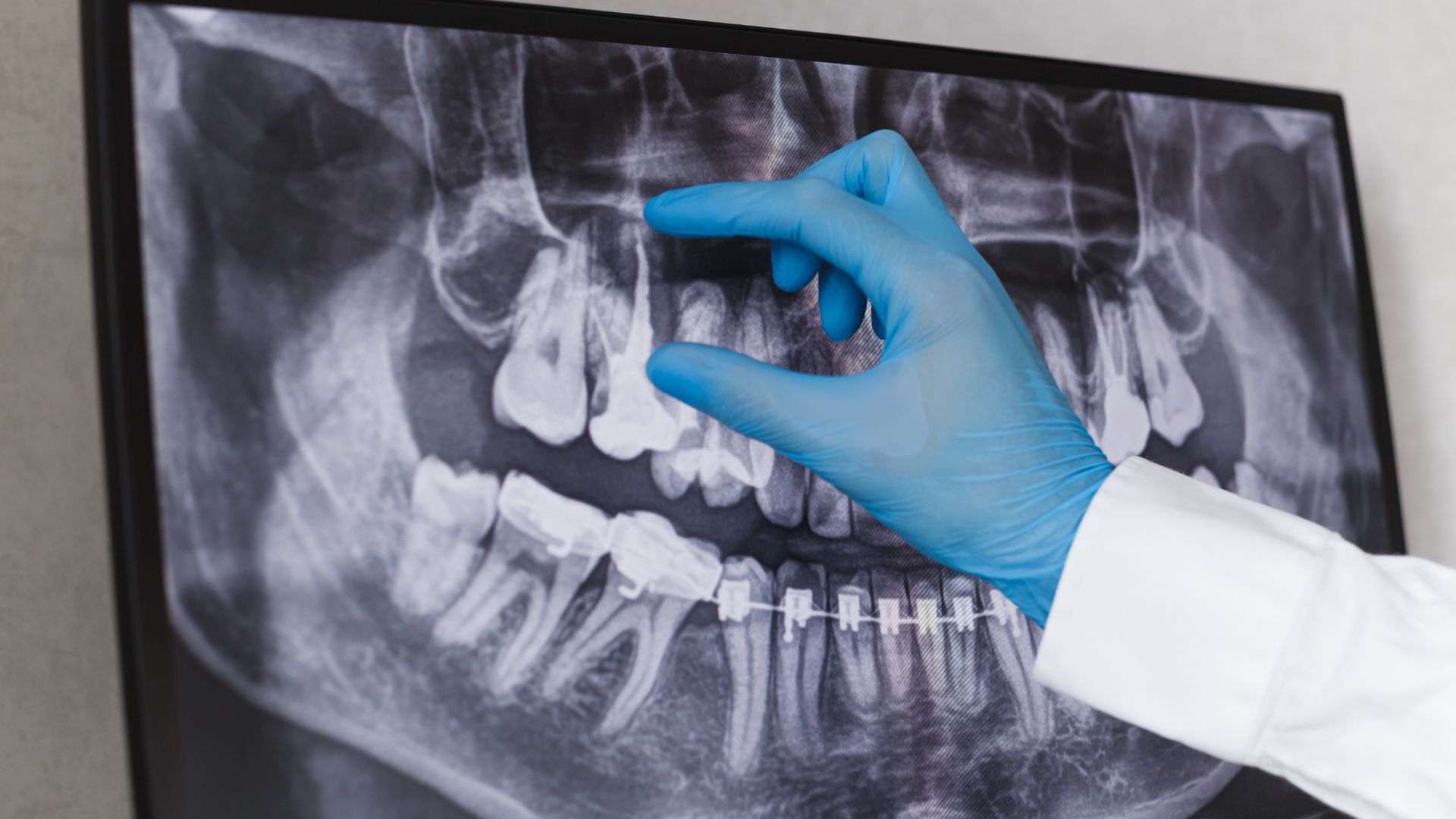
What is an oral and maxillofacial surgeon (OMS)?
Oral and maxillofacial surgeons are dentists specializing in surgery of the mouth, face and jaws. After four years of dental school, surgeons receive four to seven years of hospital-based surgical and medical training, preparing them to do a wide range of procedures including all types of surgery of both the bones and soft tissues of the face, mouth and neck.
What is a Periodontist?
Periodontists are dentists who specialize in the diagnosis and treatment of periodontal (gum) disease. They have had extensive training with two additional years of study after dental school. As specialists they devote their time, energy and skill to helping patients care for their gums. A periodontist is one of the eight dental specialists recognized by the American Dental Association.


Why is your dentist referring you to a Periodontist?
Your dentist has determined that your gums require special attention. The periodontist and dentist work together as a team to provide you with the highest level of care. They will combine their experience to recommend the best treatment available to you while keeping each other informed on your progress. By referring you to the specialist, your dentist is showing a strong commitment to your dental health.
What is an Endodontist?
The Endodontist examines, diagnoses and treats diseases and destructive processes, including injuries and abnormalities of dental pulps and periapical tissues of the teeth.
Endodontists examine patients and interpret radiographs and pulp tests to determine pulp vitality and periapical tissue condition. They evaluate their findings and prescribe a method of treatment to prevent loss of teeth.


What is a Prosthodontist?
The prosthodontist examines and diagnoses disabilities caused by loss of teeth and supporting structures. They formulate and execute treatment plans for the construction of corrective prostheses to restore proper function and esthetics of the mouth, face, and jaw.
What is a Pediatric Dentist?
A pediatric dentist has at least two additional years of training beyond dental school. The additional training focuses on management and treatment of a child’s developing teeth, child behavior, physical growth and development, and the special needs of children’s dentistry. Although either type of dentist is capable of addressing your child’s oral health care needs, a pediatric dentist, his or her staff, and even the office décor are all geared to care for children and to put them at ease. If your child has special needs, care from a pediatric dentist should be considered.

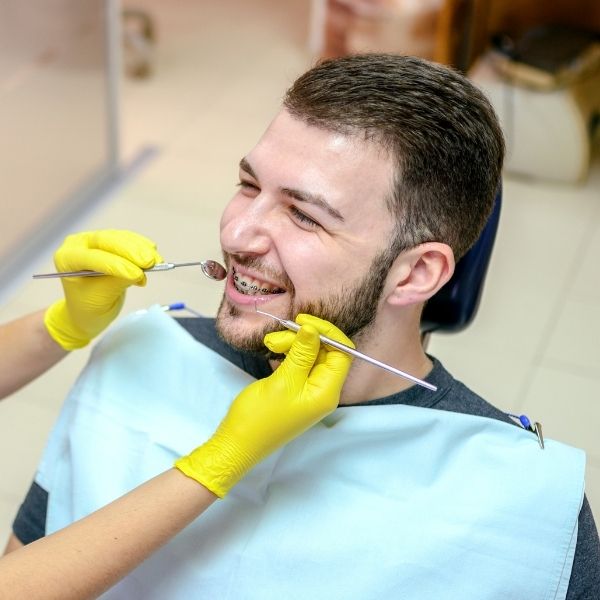
What is an Orthodontist?
An orthodontist prevents and treats mouth, teeth, and jaw problems. Using braces, retainers, and other devices, an orthodontist helps straighten a person’s teeth and correct the way the jaws line up.
Orthodontists treat kids for many problems, including having crowded or overlapping teeth or having problems with jaw growth and tooth development. These tooth and jaw problems may be caused by tooth decay, losing baby teeth too soon, accidents, or habits like thumb sucking. These problems can also be genetic or inherited.
So why would you go to the orthodontist?
Your dentist or one of your parents might recommend it because they see a problem with your teeth or jaws. Or a kid who doesn’t like the way his or her teeth look might ask to see an orthodontist.

Frequently Asked Questions
Why can't every dental treatment be done in one place?
Most of it can, and most of it is. Dentistry has recognized specialties for the same reason medicine does: some procedures are demanding enough that doing them constantly makes a measurable difference to the outcome. A general practice handles the broad range of everyday care. A specialist has spent years of additional training on one narrow area. For the small proportion of cases that sit at the difficult end, that depth is worth the extra appointment.
How do you decide when someone needs a specialist?
It comes down to complexity and to what genuinely gives you the best result. Unusual root anatomy, significant medical conditions that complicate treatment, and cases needing equipment beyond a general practice are the usual triggers. Dr. Tummala will show you what she has found, explain why she thinks a specialist is the better route, and tell you what would happen if you chose otherwise. The deciding factor is the outcome, not keeping the appointment in this building.
Why are some complex treatments still done here rather than referred out?
Because referral is not automatically better. Plenty of treatment that some practices send away is handled here routinely, and sending you elsewhere adds cost, delay and another set of appointments. The question we ask is whether a specialist would actually produce a better result for your specific case. If the answer is no, referring you would be doing you a disservice.
How does the referral process actually work?
We contact the specialist and pass on your X-rays, your history and a clear description of what is being asked, so they are not starting from scratch. You will usually book directly with their office. Most dental specialists will see patients without a formal referral, but going through us tends to save you a visit and avoids repeating diagnostics you have already had and paid for.
How does my regular care continue while I am seeing a specialist?
It carries on here as normal. A referral covers one specific piece of treatment, not a handover of your care. Your checkups and cleanings stay with us throughout, we receive the specialist's findings, and we pick the thread back up once their part is finished. You do not need to manage the two sides yourself.