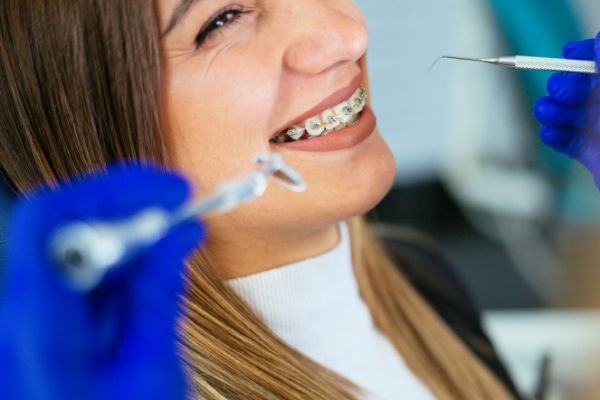
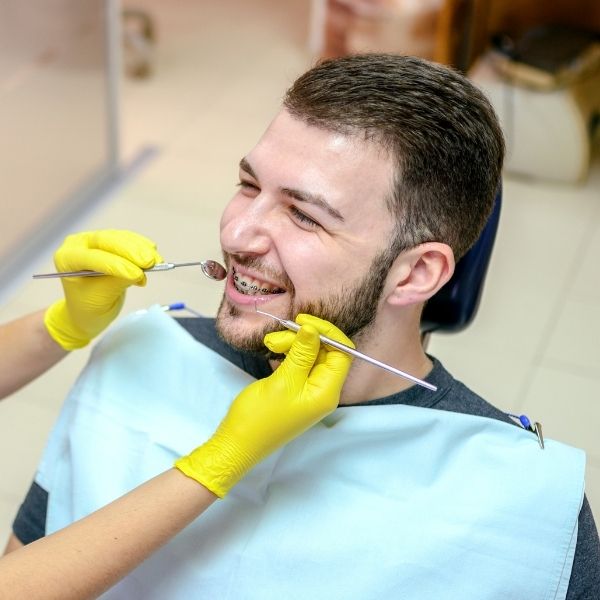
Although braces are something we tend to think of as an adolescent rite of passage, it is a common misconception as many adults also wear braces as well. Dental braces are designed to help straighten teeth. This may look like closing the gaps between teeth or even pulling teeth that jut outward back to a more standard position. While in some cases braces may be more of an aesthetic process that helps an individual look and feel more confident in their smile, for many patients the treatment is necessary to prevent further dental health complications.
Do I Need Braces?
The need for braces is a highly individual thing. Rather than there being only one cause for needing braces, there are several, and they can change with age. Some of the telltale signs that braces may be in your future can include:
Crooked teeth
Gaps between teeth
Irregular angle of teeth
Overbite
Missing teeth
Misaligned jaw
Tooth crowding
Tooth formation issues
Twisted teeth
Underbite
It is possible for an individual not to need braces on all their teeth. This may mean they have braces on the top or lower set of teeth rather than both, or it may mean that just a few teeth need correction instead of all of them.
How to Know When You Need Braces
For individuals who regularly visit the dentist every six months, their dental history and x-rays will help determine if or when braces may be needed.
While braces are by no means universally needed among adolescents, it is common for many children anywhere from the second grade through high school to get them. If the dentist notices a particular problem such as one tooth pushing another out of place, the patient may get braces earlier to prevent further complications.
Adult patients tend to have a slightly different manifestation of the need for braces which can include an irregular bite, the protrusion of teeth, and issues with their jaw. If the situation becomes pronounced and affects how a person eats, speaks, or rests their mouth, a dentist appointment should be made as soon as possible.
Who Is Eligible for Braces?
There can be some age and dental health limitations for braces. For example, young children who still have baby teeth are not generally candidates for braces because these teeth are temporary and will soon give way to permanent teeth.
On the other hand, older individuals who have a number of critical dental health issues may not be candidates for braces. This decision should be made by a dental professional who intimately understands the need for braces and can weigh them against the already existing health conditions a patient is experiencing.
How Braces Work
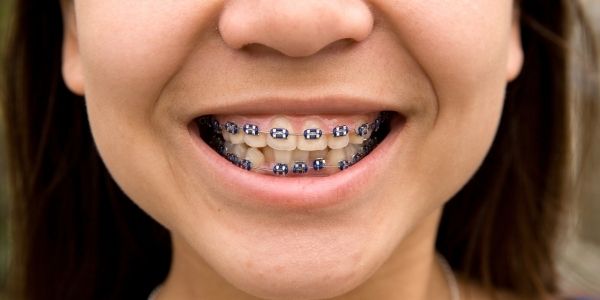
Braces are designed to put teeth back into a more proper alignment. This is generally done via a collection of brackets placed on the affected teeth which are connected by wire. Brackets on the top teeth are connected by one wire. Brackets on the lower teeth are connected by a separate wire.
With the wires in place, a dental professional can adjust the tightness to encourage movement of the teeth. This is done a little at a time over months or years to allow each tooth’s slow but steady movement into place.
Depending on if the patient needs cosmetic braces or short-term braces, it may change the form and look of the implements. Some brackets appear silver in nature while others are designed to be clear with only a silver wire. Based on a patient’s current state of dental health in combination with x-rays, a dentist will make a recommendation to the best type of braces suited for a specific individual.
Benefits of Braces
Patients who get braces can experience a wide range of cosmetic and dental health benefits including:
Straighter teeth
More evenly spaced teeth
Better tooth alignment
Less gaps between teeth
Better jaw alignment
In addition to the above, two side benefits of braces can be:
1. Increased confidence. Having straighter and better aligned teeth often give individuals more confidence in their smile and overall appearance.
2. Less potential for cavities. By ensuring teeth have better spacing, it can allow for a toothbrush and floss to reach areas that may have been harder to do so before. This can play a significant role in reducing the incidence of cavities.
How to Care for Braces
Although every patient is different, dental braces are not designed to be permanent. They typically last up to several years and require regular adjustments. While broken brackets or wires may happen from time to time, the wearer can cut down on the probability of that happening to them by following some general guidelines, such as:
Brushing teeth daily. This is important to dislodge any food that could accumulate around the brace and increase the possibility of a cavity developing. Some dentists request their patients use a special type of brush to more efficiently clean teeth with braces on them.
Flossing daily. The wire that connects the brackets can make flossing seem like a challenge and it would be without a special type of floss designed for just this purpose. It is common for the dentist to send a package of this floss home with the patient after an appointment.
Avoiding certain chewy, sticky and hard foods. Patients should steer clear of sticky or hard foods that could dislodge or crack a bracket or do damage to the wire.