
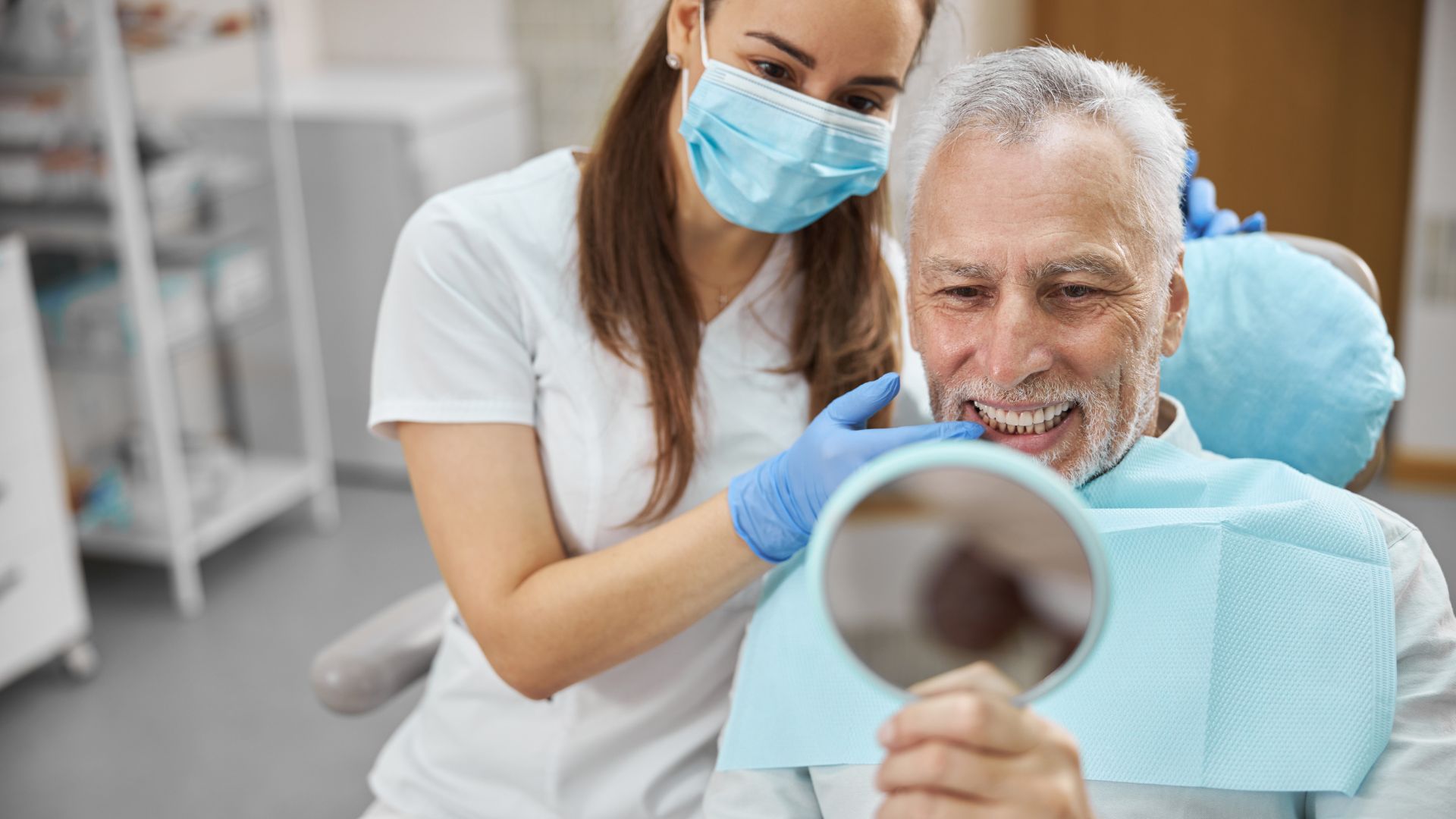
Replacing a Missing Tooth With a Dental Implant
Losing a tooth changes more than the way your smile looks. It changes how you chew, how you speak, and over time it changes the bone that used to hold that tooth in place.
At Meyerland Family Dentistry, Dr. Chiranjeevi Tummala places dental implants for patients across Meyerland, Bellaire and southwest Houston, TX. Most of the people she sees are replacing one tooth rather than a full arch, and a single tooth implant is often the cleanest way to do it. This page covers who dental implants suit, what the procedure involves, and what shapes the cost.
Who Is a Good Candidate for a Dental Implant?
Most adults who have lost a tooth are candidates for dental implants. A few things matter more than age.
Healthy gums come first
An implant sits in bone and is held steady by the tissue around it. Active gum disease works against both. If your gums bleed when you brush, or someone has told you that you have periodontal disease, that is worth treating first. We often handle laser gum disease treatment before planning implants, because a stable foundation is what makes the result last.
Enough bone to hold the post
The jawbone starts to shrink once a tooth is gone, because chewing no longer stimulates it. The longer a gap sits empty, the more bone you lose. That does not automatically rule out an implant, but it can mean a bone graft procedure first and a longer timeline. It is the main reason we encourage patients not to wait years before deciding.
Timing after an extraction
If the tooth is still in place and needs to come out, we plan the tooth extraction and the implant together where we can. Sometimes the post goes in the same day. More often we let the site heal for a few months first, and that wait is doing real work.
Your general health and how you heal
Conditions that slow healing, such as diabetes that is not well controlled, make the surgery and the recovery harder. Smoking does the same. Neither is an automatic no, and we would rather talk it through with you than rule you out on paper. Every patient is assessed on their own situation.
Age on its own is not a barrier
We place dental implants for patients in their seventies and eighties. What matters is the health of your bone and gums, not the number. The only way to know for certain is an exam and an x-ray. If an implant is not the right care for you, we will say so and walk you through the alternatives instead.
Why Choose an Implant Over a Bridge or Denture?
An implant stands on its own
A traditional bridge works by covering the healthy teeth on either side of the gap and using them as anchors, which means reshaping two teeth that were perfectly fine. A single dental implant does not touch its neighbors.
It protects the jawbone
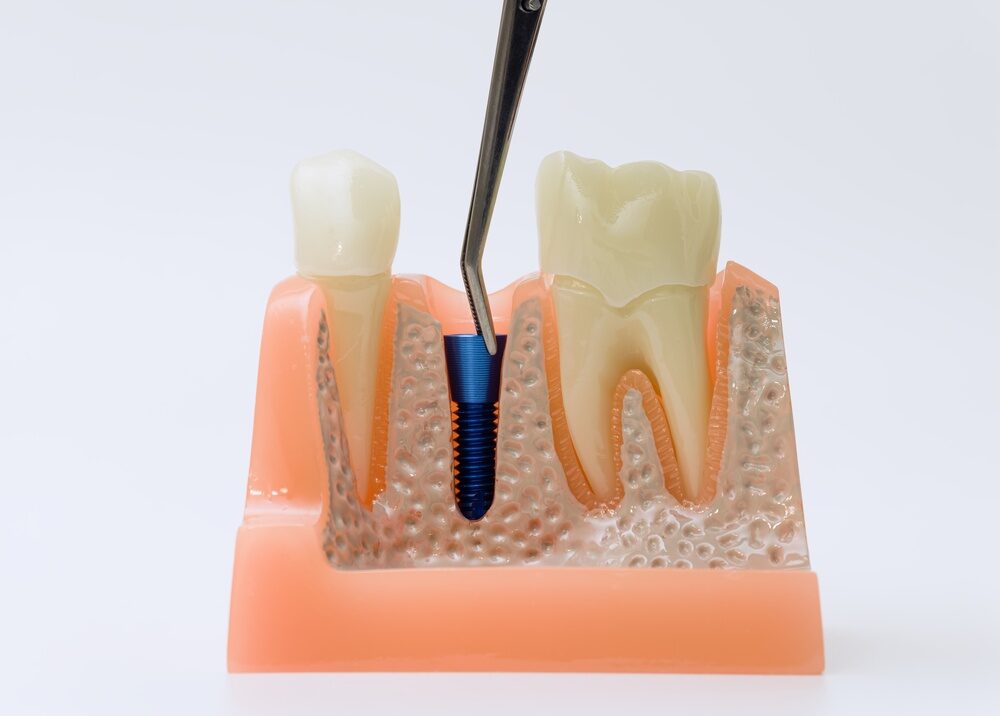
This is the part most patients have not heard. The implant post acts like a tooth root, so the jaw bone around it keeps getting the pressure it needs. A dental bridge or partial dentures replace what you can see, but the bone under the gap still shrinks.
It is built for the long run
An implant is designed as a permanent tooth replacement. With normal brushing, flossing and regular care at your checkups, implants are a long-term answer rather than something you plan to replace on a schedule. The crown on top can be replaced later if it wears, without disturbing the post underneath. You brush it, you floss around it, and you chew on it. There is nothing to take out at night.
What shapes the cost of dental implants
We do not publish one price, because the honest answer depends on what your mouth needs. A straightforward single tooth implant with good bone is one procedure. An implant that needs a graft first, or a tooth removed at the same visit, is another, and the number of teeth being replaced changes it again. What we will do is give you a clear written estimate after we have looked, and go through what your insurance is likely to cover before you decide anything.
It is worth weighing cost over years rather than on the day. A bridge that needs redoing, or partial dentures that stop fitting as the bone changes underneath, carry their own cost over time.

How a Dental Implant Is Placed, Step by Step
Most single implants follow the same path, spread over a few months. Here is what the procedure involves from your side of the chair.
1. The exam and the plan
We take images to see how much bone you have and where the nerves and sinuses sit. That is what tells us whether you need a graft, and exactly where the post should go.
2. Any groundwork first
If the damaged tooth is still there, it comes out. If the bone needs building up, that happens at this stage and then heals.
3. Placing the titanium post
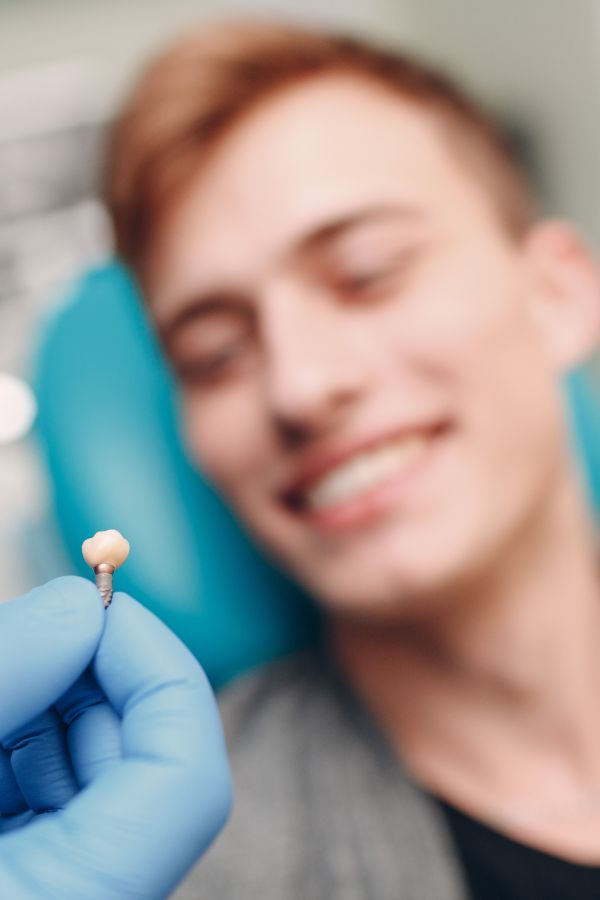
The implant post is a small titanium screw that goes into the jaw bone. Titanium is used because bone bonds to it readily, which is what makes the tooth replacement stable years later. This part is a minor oral surgery, done here in our office under local anesthesia. We numb the area completely before we begin, and you should not feel pain while we work. If dental work makes you anxious, tell us beforehand and we will talk through your options for staying comfortable.
4. Healing and recovery, which is the long part
Over the next few months the bone grows around the titanium post and locks it in place. This is called osseointegration and it cannot be rushed. Day to day recovery from the placement itself is usually straightforward, and most patients are back to normal routines quickly, with some tenderness for a few days. You will usually wear a temporary tooth during this time, so the gap is not visible in your smile while you heal.
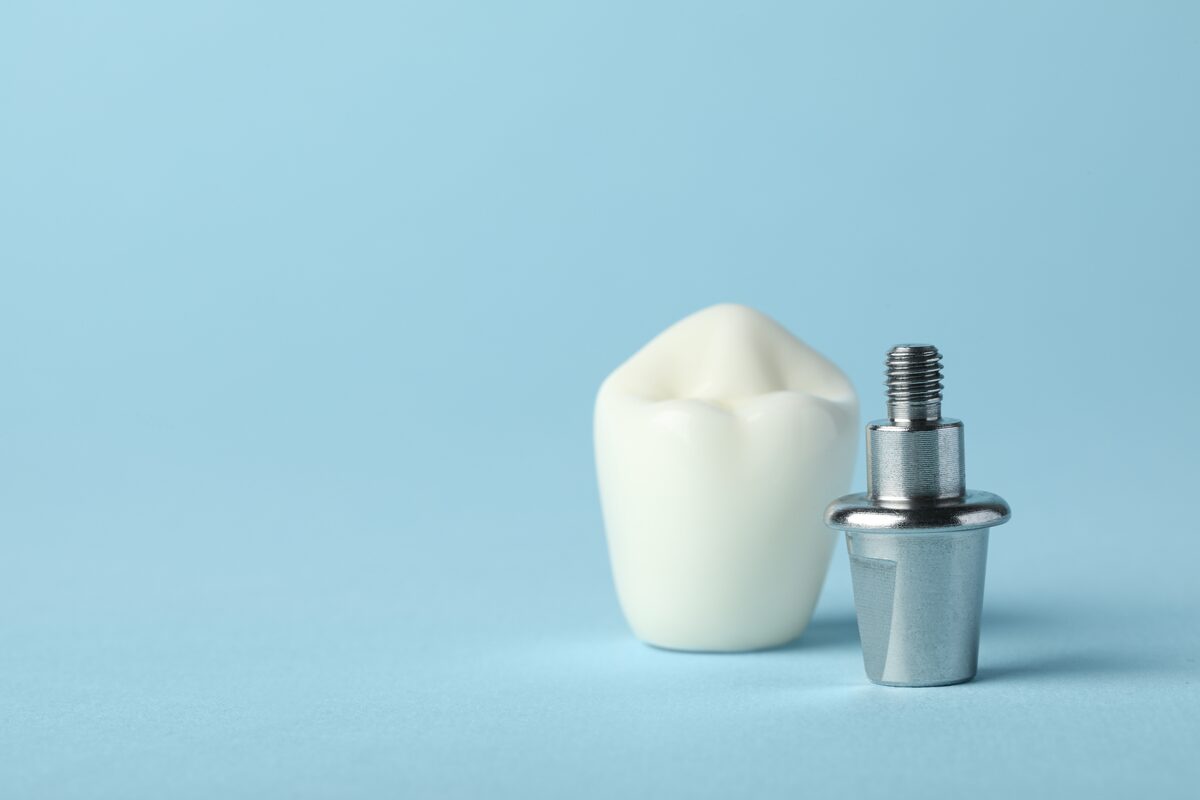
5. The abutment and the prosthetic crown
Once the post is solid we attach a small connector, called an abutment, and take an impression. Your prosthetic crown is made to match the shade and shape of the teeth beside it, then fixed in place. Done well, it is the part nobody notices, because it simply looks like your own tooth.
6. Checkups, the same as any tooth
You brush and floss it normally, and we keep an eye on it at your regular visits. If you want the longer version of the whole experience, we wrote one up here: replacing one missing tooth with a single dental implant.
Dental Implants for Patients Across Southwest Houston
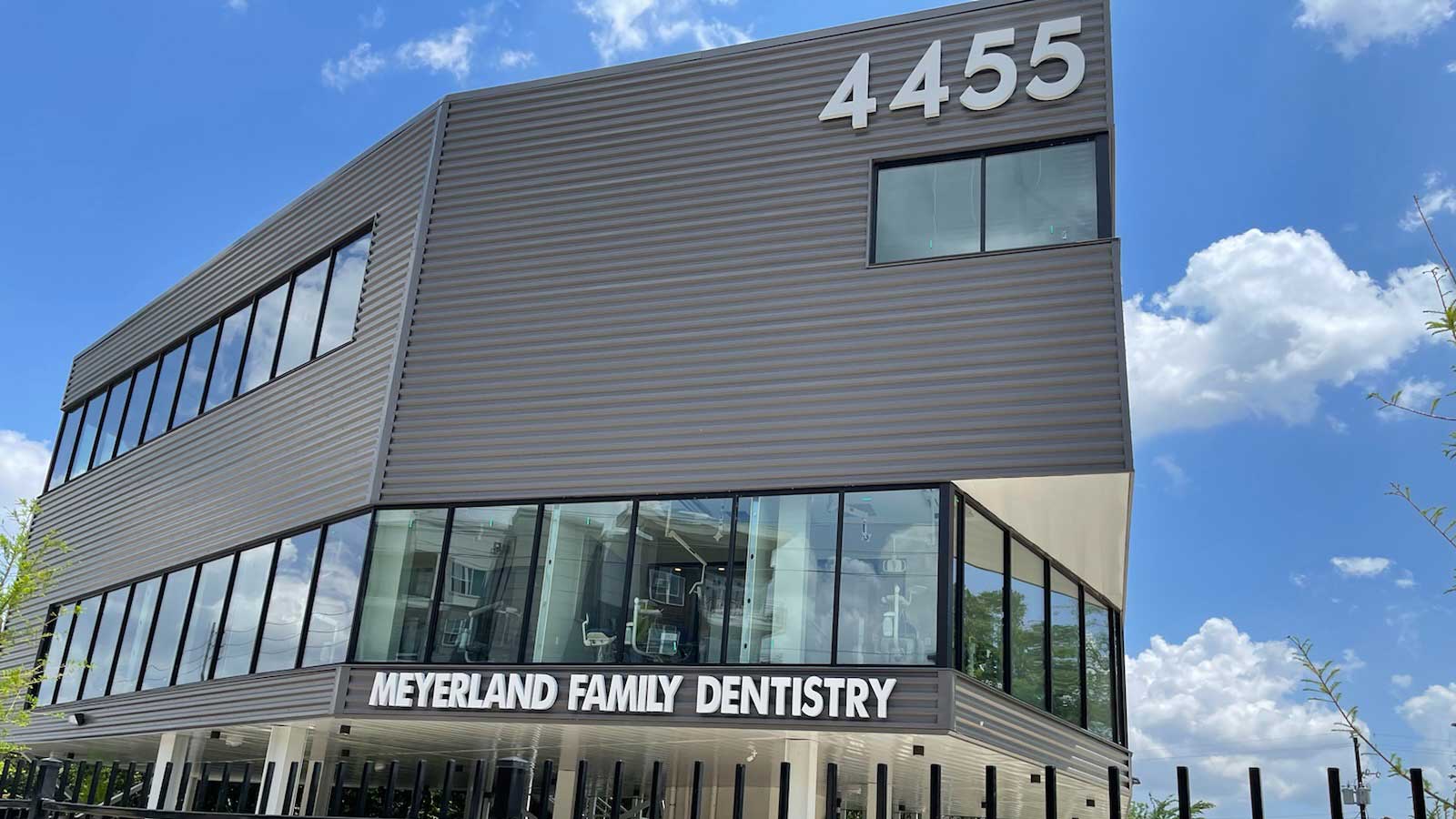
Our office is on N Braeswood Blvd in Meyerland, a few minutes from Bellaire, Westbury, Willow Meadows and West University Place. Patients come to us from across 77096 and the surrounding southwest Houston, TX neighborhoods.
Care from a team you will see again
Dr. Chiranjeevi Tummala treats single tooth replacement as one of the core things this practice does, and you see the same small team at every visit. She will tell you plainly whether dental implants are the right answer for your situation, and what the alternative looks like if they are not.
If you are missing a tooth, or you have one that is not going to last much longer, the useful next step is a look and an x-ray. After that you will know what you are dealing with and what the procedure involves.
Replacing a missing tooth is not only about the way your smile looks. It protects the bone, keeps the teeth either side from drifting, and makes eating normal again. That is why we treat tooth replacement as part of your general oral health rather than as a cosmetic extra.
Call us at 713-723-7200 or request an appointment online and we will find you a time.
Frequently Asked Questions
Can I replace just one tooth with an implant?
Yes. A single implant replaces one tooth on its own, without involving the teeth on either side. That is the main difference between an implant and a bridge. A bridge has to be anchored to the neighboring teeth, which means reshaping healthy enamel. An implant stands alone, so the teeth around it stay untouched.
How long does a dental implant take from start to finish?
Plan on a few months, though it varies by person. The implant post goes in first, and then it needs time to fuse with your jawbone before it can support a crown. That healing is what makes an implant stable, and it cannot be rushed. Once your jaw has healed, we place the final crown. You are not without a tooth during that time, and we will talk through your options at your consultation.
Does getting a dental implant hurt?
We numb the area completely before we start, so you should not feel pain during the placement itself. Afterward, most people describe soreness for a few days, similar to having a tooth removed. Dr. Tummala will tell you what to expect for your situation and how to stay comfortable while you heal.
Am I too old for a dental implant?
Age by itself does not rule you out. What matters is the health of your jawbone and gums, and whether any medical conditions affect how you heal. Plenty of people get implants well into their seventies and eighties. The way to find out is an exam and an X-ray, so we can see what is actually there.
What happens if I just leave the gap?
The bone where the tooth used to be starts to shrink, because nothing is stimulating it anymore. Over time the teeth on either side can drift into the space and the tooth above or below it can shift down or up. That can change your bite and make future treatment more complicated. This is worth understanding before you decide to wait, so call us at 713-723-7200 and we can look at it.