
After Cosmetic Reconstruction
Remember that it will take time to adjust to the feel of your new bite. When the bite is altered or the position of the teeth is changed it takes several days for the brain to recognize the new position of your teeth or their thickness as normal. If you continue to detect any high spots or problems with your bite, call our office at Houston Office Phone Number 713-723-7200 so we can schedule an adjustment appointment.
It is normal to experience some hot and cold sensitivity. The teeth require some time to heal after removal of tooth structure and will be sensitive in the interim. Your gums may also be sore for a few days. Warm salt water rinses (a teaspoon of salt in a cup of warm water) three times a day will reduce pain and swelling. A mild pain medication (one tablet of Tylenol or Ibuprofen (Motrin) every 3-4 hours) should ease any residual discomfort.
Don’t be concerned if your speech is affected for the first few days. You’ll quickly adapt and be speaking normally. You may notice increased salivation. This is because your brain is responding to the new size and shape of your teeth. This should subside to normal in about a week.
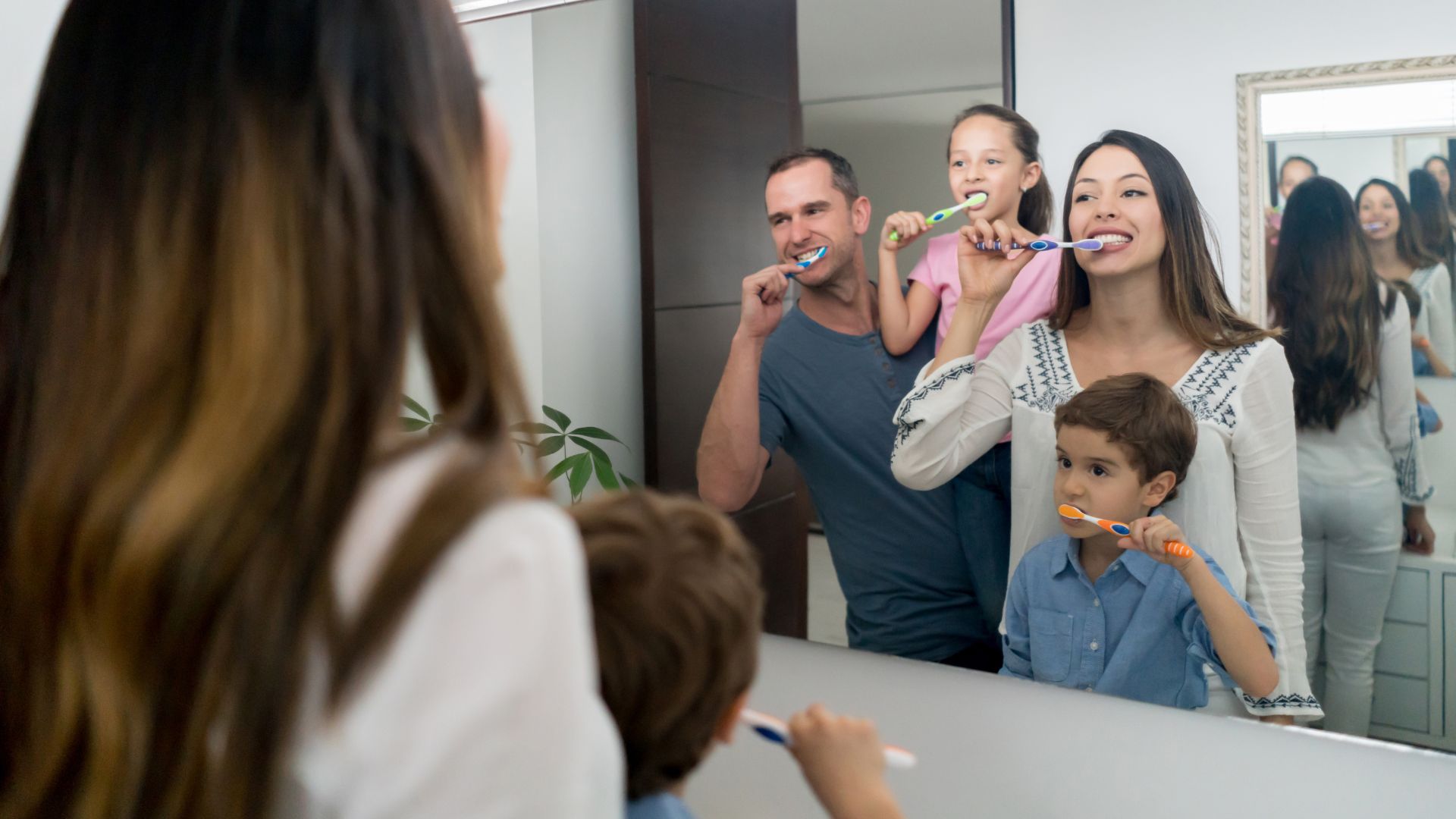
Daily brushing and flossing are a must for your new dental work. Daily plaque removal is critical for the long-term success of your new teeth, as are regular cleaning appointments.
Any food that can crack, chip or damage a natural tooth can do the same to your new teeth. Avoid hard foods and substances (such as beer nuts, peanut brittle, ice, fingernails, or pencils) and sticky candies. Smoking will stain your new teeth. Minimize or avoid foods that stain such as coffee, red wine, tea and berries.
If you engage in sports let us know so we can make a custom mouthguard. If you grind your teeth at night, wear the night guard we have provided for you. Adjusting to the look and feel of your new smile will take time. If you have any problems or concerns, please let us know. We always welcome your questions.

After Crown and Bridge Appointments
Crowns and bridges usually take two or three appointments to complete. In the first visit, the teeth are prepared and molds of the mouth are taken. Temporary crowns or bridges are placed to protect the teeth while the custom restoration is being made. Since the teeth will be anesthetized, the tongue, lips and roof of the mouth may be numb. Please refrain from eating and drinking hot beverages until the numbness is completely worn off.
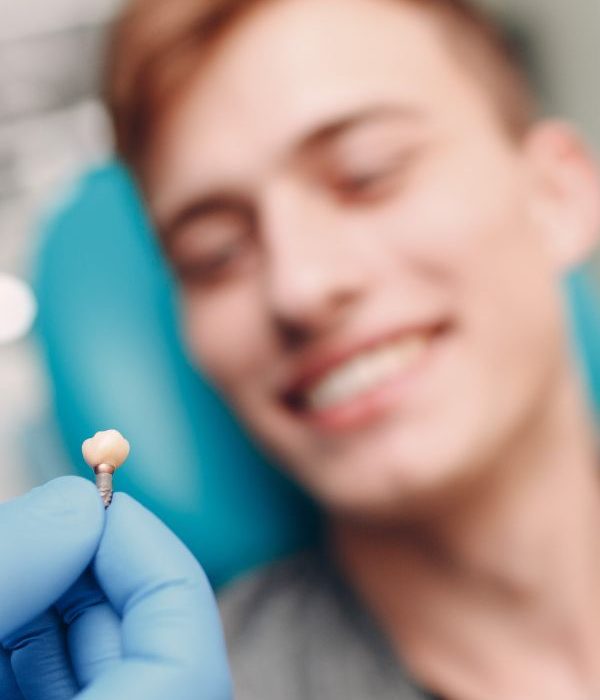
Occasionally a temporary crown may come off. Call us at Houston Office Phone Number 713-723-7200 if this happens and bring the temporary crown with you so we can re-cement it. It is very important for the temporary to stay in place, as it will prevent other teeth from moving and compromising the fit of your final restoration.
To keep your temporaries in place, avoid eating sticky foods (gum), hard foods, and if possible, chew on the opposite side of your mouth. It is important to brush normally, but floss carefully and don’t pull up on the floss which may dislodge the temporary but pull the floss out from the side of the temporary crown.
It is normal to experience some temperature and pressure sensitivity after each appointment. The sensitivity should subside a few weeks after the placement of the final restoration. Mild pain medications may also be used as directed by our office.
If your bite feels uneven, if you have persistent pain, or if you have any other questions or concerns, please call our office at Houston Office Phone Number 713-723-7200.
After Tooth Extraction
After a tooth extraction, it’s important for a blood clot to form to stop the bleeding and begin the healing process. That’s why we ask you to bite on a gauze pad for 30-45 minutes after the appointment. If the bleeding or oozing still persists, place another gauze pad and bite firmly for another 30 minutes. You may have to do this several times.
After the blood clot forms, it is important not to disturb or dislodge the clot as it aids healing. Do not rinse vigorously, suck on straws, smoke, drink alcohol or brush teeth next to the extraction site for 72 hours. These activities will dislodge or dissolve the clot and retard the healing process. Limit vigorous exercise for the next 24 hours as this will increase blood pressure and may cause more bleeding from the extraction site.
After the tooth is extracted you may feel some pain and experience some swelling. An ice pack or an unopened bag of frozen peas or corn applied to the area will keep swelling to a minimum. Take pain medications as prescribed. The swelling usually subsides after 48 hours.
Use the pain medication as directed. Call the office at Houston Office Phone Number 713-723-7200 if the medication doesn’t seem to be working. If antibiotics are prescribed, continue to take them for the indicated length of time, even if signs and symptoms of infection are gone. Drink lots of fluid and eat nutritious soft food on the day of the extraction. You can eat normally as soon as you are comfortable.
It is important to resume your normal dental routine after 24 hours. This should include brushing and flossing your teeth at least once a day. This will speed healing and help keep your mouth fresh and clean.
After a few days you will feel fine and can resume your normal activities. If you have heavy bleeding, severe pain, continued swelling for 2-3 days, or a reaction to the medication, call our office immediately at Houston Office Phone Number 713-723-7200.
After Composite Fillings (white fillings)
When an anesthetic has been used, your lips and tongue may be numb for several hours after the appointment. Avoid any chewing and hot beverages until the numbness has completely worn off. It is very easy to bite or burn your tongue or lip while you are numb.
It is normal to experience some hot, cold & pressure sensitivity after your appointment. Injection sites may also be sore. Ibuprofen (Motrin), Tylenol or aspirin (one tablet every 3-4 hours as needed for pain) work well to alleviate the tenderness. If pressure sensitivity persists beyond a few days or if the sensitivity to hot or cold increases, contact our office at Houston Office Phone Number 713-723-7200.
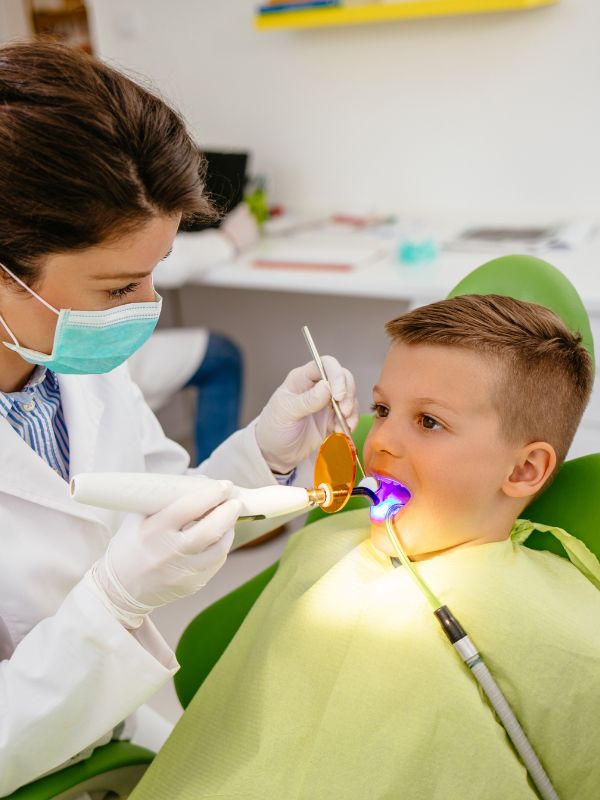
You may chew with your composite fillings as soon as the anesthetic completely wears off, since they are fully set when you leave the office.
If your bite feels uneven, if you have persistent pain, or if you have any other questions or concerns, please call our office at Houston Office Phone Number 713-723-7200.
Frequently Asked Questions
Who do I call if there is a problem after hours?
Call 713-723-7200 and follow the instructions on the message. Do not sit through a worrying weekend waiting for Monday. Genuine emergencies happen outside office hours and we would far rather hear from you. If it involves swelling that is affecting your breathing or swallowing, uncontrolled bleeding, or a suspected broken jaw, go to an emergency room or call 911, since those need a hospital rather than a dental office.
What can I take for discomfort afterward?
For most procedures an over the counter pain reliever taken according to the directions on the package is enough. What matters more than the choice is timing: taking something before the numbness fully wears off tends to keep you more comfortable than waiting until it hurts. We will tell you if your specific treatment needs anything different. Tell us about any medications you already take and any allergies before you leave.
When can I go back to work or exercise?
Most routine treatment does not interrupt anything, and people go straight back to their day. After a surgical procedure, take it easy for the first day or so and skip strenuous exercise, since raising your blood pressure can restart bleeding. If you have had oral sedation, write the whole day off. We will give you specific guidance for your treatment.
Can I smoke or drink alcohol while I am healing?
Both are worth avoiding, and smoking in particular. Smoking after a surgical procedure interferes with healing, and the suction involved can dislodge a healing blood clot, which is the main cause of the painful complication after an extraction. Alcohol can interact with pain medication and irritate healing tissue. The first few days matter most, and if you are considering stopping smoking anyway, this is a genuinely good moment.
How do I know if something has actually gone wrong?
The general rule is direction rather than presence. Some discomfort and swelling after treatment is normal and should improve day by day. What is not normal is pain that increases rather than eases after the first two or three days, swelling that is getting worse rather than better, bleeding that will not stop, a fever, a bad taste or smell that will not go away, or numbness that persists long after it should have worn off. Any of those, call us.