
You finished treatment. Your teeth are straight. Now there is one small piece of plastic standing between that result and the way your teeth used to look. Retainers are the least glamorous part of straightening teeth and the part that decides whether the work lasts.
Teeth move. They moved into place during treatment and they will keep moving afterward if nothing holds them. This page explains what a retainer does, the kinds we fit at our office on North Braeswood Boulevard, and what to do if your retainer is lost, broken or twenty years old.
Why Your Teeth Move Back Without a Retainer
The bone and fibers around each tooth stretch while the tooth is moving. When treatment stops, those fibers still want to pull the tooth toward where it started. That pull is strongest in the first year and it never fully goes away.
This is true whether you wore metal braces or clear aligners. It is also true if your teeth straightened out on their own years ago. A retainer holds the result while the bone settles, and then keeps holding it.
There is a second reason teeth drift, and it has nothing to do with braces. Teeth move throughout life. Lower front teeth crowd slowly in most adults whether or not they ever had treatment. If you have paid for straightening, a retainer is what separates a result that lasts from one that quietly undoes itself over five or ten years.
People are often surprised by how fast the movement starts. Skipping a retainer for two or three weeks is usually enough to make it feel tight when you put it back in. That tightness is the retainer doing its job. If it will not seat at all, stop and call us instead of pushing.
The Kinds of Retainers We Fit
There is no single best retainer. The right one depends on what was moved, how far it moved, and how you live.
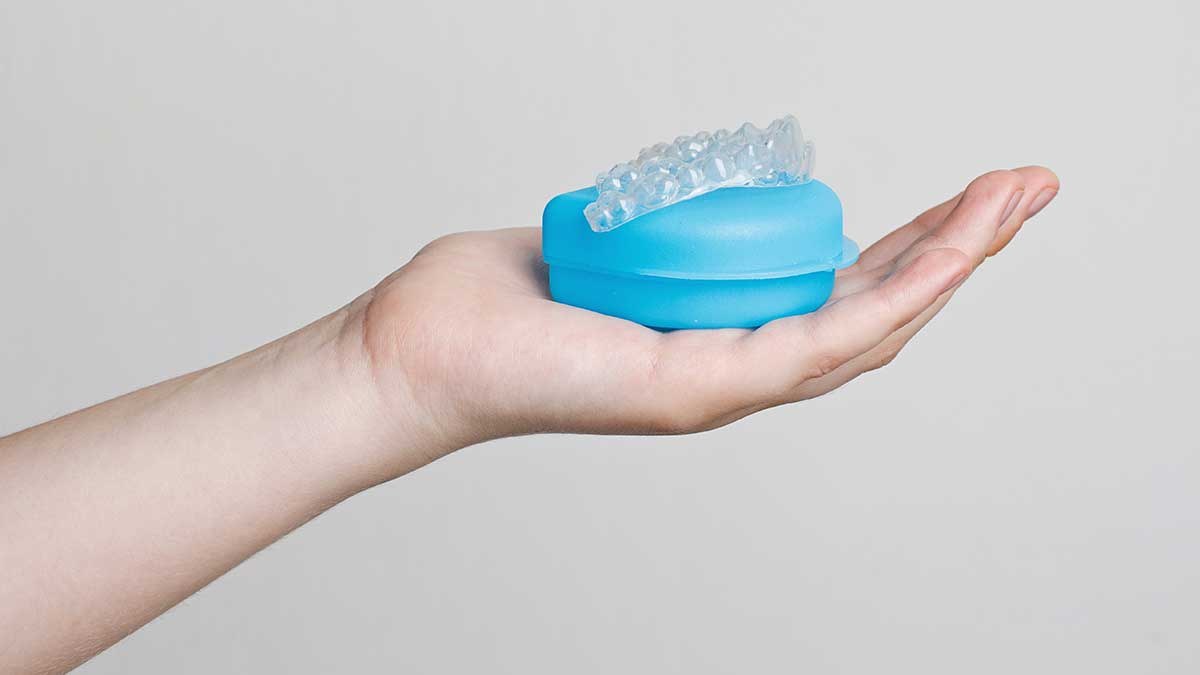
Clear removable retainers look like a thin aligner tray. They are easy to wear, easy to lose, and the most common choice for adults finishing aligner treatment.
Wire and acrylic retainers use a plastic plate against the roof of the mouth with a wire across the front teeth. They are sturdier and can be adjusted slightly over time.
Fixed retainers are a thin wire bonded behind the front teeth. Nothing to remember and nothing to lose. They need more care when you brush and floss, and we check them at every cleaning appointment.
Some patients end up with both. A bonded wire on the lower front teeth, where crowding is most likely, and a removable tray on top worn at night. That combination asks very little of you day to day and it protects the teeth that are most likely to move.
If you are still in treatment rather than out of it, what wearing aligners is like day to day covers the habits that decide whether you finish on schedule.

How Long You Actually Have to Wear It
Most people wear a retainer full time for a short period after treatment, then move to nights only. Nights only is not a temporary stage. It is the long term plan.
Patients who stop after a year almost always notice crowding in the lower front teeth first. That is the area that shifts soonest and the change is easy to see. Dr. Tummala will tell you what your case needs, and she will be straight with you about it rather than giving you a number that sounds easy.
Wearing the retainer at night is a small habit and it is easier to keep if the retainer lives somewhere you already go every evening. Next to your toothbrush works. A drawer does not.
Bring your retainer with you to your regular checkups. It takes just a minute for us to look at how it seats, and that minute catches a poor fit long before you can see a difference in the mirror.
If You Lose It, Break It or Stop Wearing It
Do not wait. A retainer that no longer fits is telling you the teeth have already moved.
Call us at 713-723-7200 as soon as you notice. If the teeth have moved a little, a new retainer may be enough. If they have moved a lot, we will talk about whether a short course of aligner treatment makes sense before fitting a new one. Forcing an old retainer onto shifted teeth is not a fix and it can hurt.
If a fixed wire comes loose, that counts as an urgent appointment. A partly detached wire can push a single tooth in a direction nobody wants.
Cleaning a Retainer Without Wrecking It
Rinse the retainer in cool water every time it comes out. Brush it gently with a soft brush and plain soap, not toothpaste. Toothpaste is abrasive and it will haze clear plastic over time.
A retainer that smells is a retainer that is not being rinsed. Bacteria build up on the plastic in the same way plaque builds on teeth, so a cloudy or odorous tray is worth mentioning at your next visit. If your gums bleed when you brush, deal with that first. Our post on bleeding gums explains when that matters.
What to Keep Away From It
Hot water warps the plastic, so no dishwashers, no boiling and no leaving it on a car dashboard on a hot August day in Houston. Skip mouthwash with alcohol and skip bleach. Both cloud the material. And keep it in its case, not in a napkin, which is how most retainers end up in the trash.

Getting a Retainer Years After Braces
Plenty of our patients had braces in high school, lost the retainer at some point, and now do not like what they see in photographs. That is a very common reason people call.
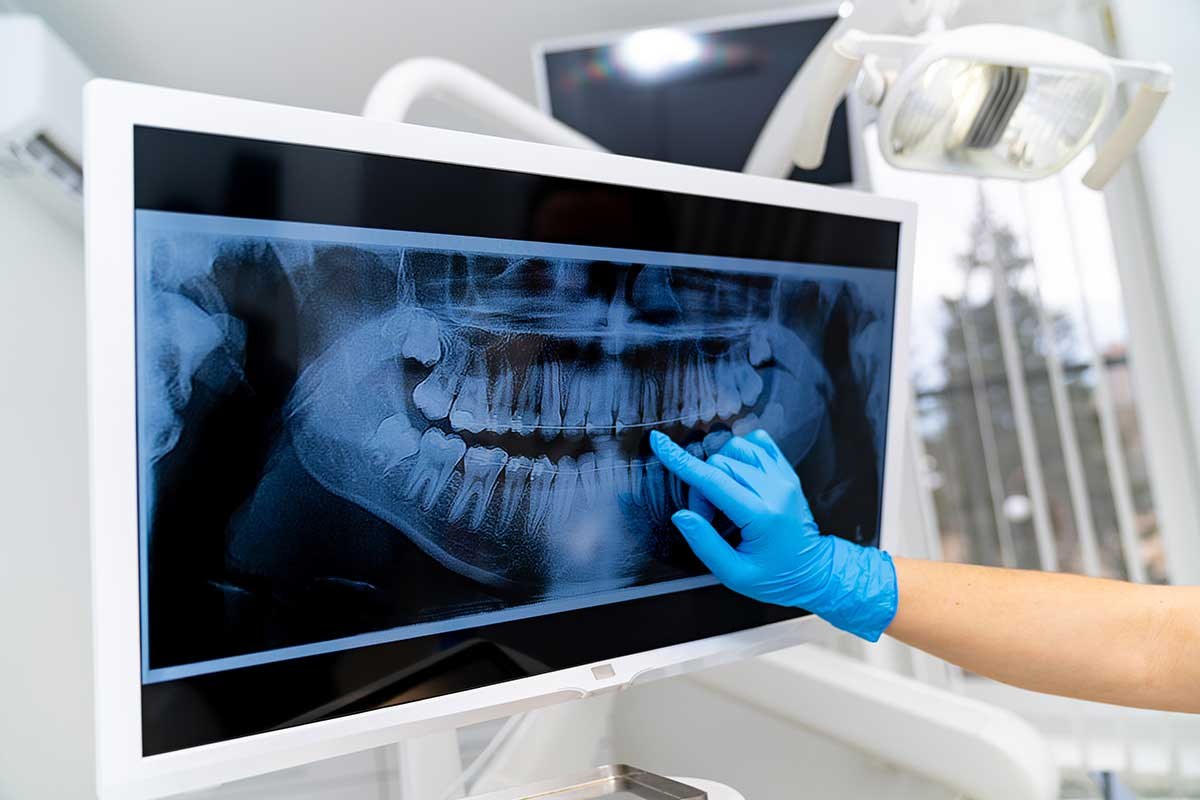
We start with an examination and images to see where your teeth are now and whether the gums and bone are healthy enough to hold a result. Nothing about that first appointment commits you to treatment. It tells you what is actually going on, which is usually less dramatic than people fear. If there is gum disease, we treat that first. Moving teeth in unhealthy gum tissue is a bad idea. If a tooth is missing, the plan changes again, because neighboring teeth tilt into the gap. Our page on dental implants covers that side of it.
Frequently Asked Questions
Do I need a retainer if I only had a few teeth moved?
Yes. A small correction can relapse just as easily as a large one, and often faster, because the teeth did not travel far from where they wanted to sit.
Can I get a retainer here if I had my braces somewhere else?
Yes. We fit retainers for patients who were treated elsewhere. Bring any records you still have, and if you do not have them, that is fine. We will start with an examination. You can request an appointment online or call 713-723-7200.
Will a retainer straighten teeth that have already shifted?
No. A retainer holds teeth where they are. If your teeth have moved, we look at whether clear aligners can bring them back first, then fit a retainer to hold the new position.
Is a fixed retainer better than a removable one?
Neither is better in general. A fixed wire removes the risk of forgetting, which suits some people very well. It also makes flossing harder, so it suits people who keep up with daily care and regular cleanings. We talk it through and pick one with you.
Ask Us About a Retainer
If your retainer is lost, cracked or no longer fits, or you finished treatment years ago and want to protect what is left of the result, we can help. Call 713-723-7200 or request an appointment online. We see patients from Meyerland, Bellaire, Braeswood, Westbury and Willow Meadows.
Patients also travel to us from West University Place and the surrounding 77005 area.
Related Pages
More from Meyerland Family Dentistry:
Clear Aligners · Cosmetic Braces · Dental Implants · Teeth Cleaning · Meet Dr. Tummala