


Tooth Extractions at Our Meyerland Office in Southwest Houston
If a tooth is broken, badly decayed or causing pain that will not settle, a tooth extraction is sometimes the right answer. Meyerland Family Dentistry sits on N Braeswood Blvd in Meyerland, and patients come to us for extractions from across southwest Houston, including Bellaire, Braeswood Place, Westbury, Willow Meadows and the 77096, 77035 and 77025 ZIP codes.
Dr. Chiranjeevi Tummala takes an X-ray, tells you plainly whether the tooth can be saved, and if it cannot, explains what removing it involves before anything is decided. Single teeth and wisdom teeth make up almost all of the tooth extractions done at this office. You will leave with written aftercare instructions and a plan for the gap, if you need one.
Call 713-723-7200 if you are in pain today. We will get you looked at rather than leave you guessing.
Not sure whether your tooth can be saved?
A tooth that hurts is not automatically a tooth that has to go. Deep decay can sometimes be treated with a non surgical root canal and a crown instead. The only way to know which side of that line your tooth falls on is a consultation, an exam and an X-ray.
Why a Tooth Sometimes Has to Come Out
People have teeth removed at almost any age, from a child with a stubborn baby tooth to an adult dealing with long-standing gum problems. It is a common procedure, and it should still only be done when there is a reason for it.
The reasons we see most often at the Meyerland office are:
- Wisdom teeth that are impacted, angled or impossible to keep clean
- Tooth decay that has gone too deep to restore
- Infection inside the tooth that has not responded to treatment
- Advanced gum disease that has loosened the tooth
- A tooth broken below the gum line
- Crowding, where space has to be made before teeth can be straightened
- Injury from a fall, a game or an accident
Removing a tooth that is infected or unsalvageable takes a source of bacteria out of your mouth, which is often better for the teeth and gums around it.
Losing teeth as an adult is not inevitable. Our post on how to avoid adult tooth loss covers what actually causes it and what changes the odds.

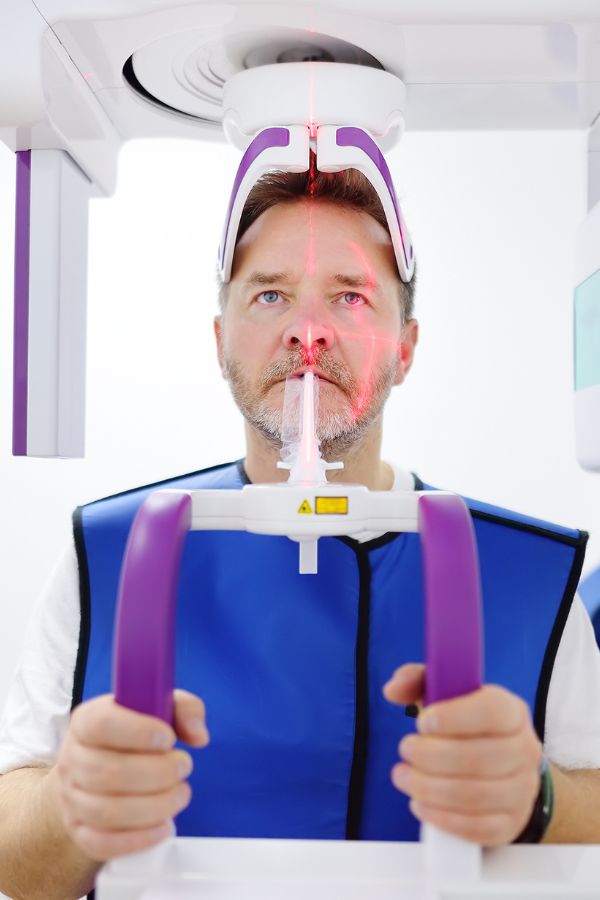
Wisdom Teeth Are the Extraction We Do Most Often in Houston
Wisdom teeth arrive last, usually in the late teens or early twenties, and there is often no room left for them. When one comes in at an angle, only partly breaks through the gum, or sits where a toothbrush cannot reach, it tends to cause repeated infections and can damage the healthy molar in front of it.
Not every wisdom tooth needs to go. Ones that came in straight and can be cleaned are usually just monitored at your checkups. Our guide to wisdom teeth removal in Houston walks through the signs that removal is being considered and what the visit looks like.
Some wisdom teeth can be taken out here in the office. Others need oral surgery and are better handled by an oral surgeon, and Dr. Tummala will tell you which situation you are in once she has seen your X-ray, rather than after you are already in the chair.
How to Get Ready for Your Extraction Appointment
A little preparation makes a tooth extraction appointment go more smoothly.
Bring a full medical history and tell us about every condition and medication, including blood thinners and bisphosphonates. Some conditions call for extra monitoring during the procedure, and some call for an antibiotic beforehand if infection is a concern.
If you are nervous, say so when you book. We offer nitrous oxide and oral sedation, and knowing in advance lets us set the appointment up properly. Anyone having sedation needs a ride home. Arrange that before the day rather than on it.


What Happens the Day the Tooth Comes Out
How a tooth extraction goes depends mostly on the tooth. One that is fully through the gum and intact is usually straightforward. One that is impacted or broken is more involved.
Almost every extraction starts with local anesthesia. The anesthetic numbs the tooth, the teeth beside it, the gum and the jawbone. Once the area is properly numb, Dr. Tummala begins.
Most people describe pressure rather than pain. That pressure comes from rocking the tooth to widen the socket so it will lift out. It feels strange, it is normal, and the anesthetic is doing its job underneath.
Rocking does not always work. If a tooth is locked in the socket, or its root is curved so the socket cannot expand enough, the tooth is sectioned instead: cut into pieces and lifted out one at a time. This sounds worse than it feels, and it is often the gentler route for the bone around it.
With the tooth out, the socket is cleaned and any rough bone edge is smoothed. The gum may need a stitch or two. The site will bleed, so you will bite on a gauze pad for half an hour or more while a clot forms. We will not send you out the door until that is under control.
Get the tooth looked at this week
Pain that comes and goes still means something is wrong, and an infected tooth does not improve on its own. Bring the tooth in. You will get a straight answer about whether it needs to come out and, if it does, the cost in writing before treatment starts.
Healing After a Tooth Is Removed
Recovery from a tooth extraction follows a similar pattern each time, but healing time varies with the tooth and with you. A visible, intact tooth generally settles faster than an impacted one.
Once the clot has formed, some swelling and discomfort as the anesthetic wears off is normal. An ice pack on the outside of the face, twenty minutes on and twenty minutes off, helps with both. Swelling usually peaks and starts to fall within about forty-eight hours.
Protecting that clot is the whole job for the first day. For at least twenty-four hours, skip exercise and avoid:
- Rinsing or spitting forcefully
- Brushing the socket or the teeth right beside it
- Slurping soup or hot liquids
- Drinking through a straw
- Alcohol
- Smoking or vaping
If the clot comes loose early, the exposed bone causes what is called a dry socket. It usually announces itself as a deep ache two to four days out that is worse than day one. Call us if that happens. It is treatable, and it is one of the few complications worth calling about straight away rather than waiting out.
Pain that keeps climbing, heavy bleeding, or a fever needs a phone call rather than a wait. Those can point to an infection that needs an antibiotic, and a prescription only works if it is finished as directed.
Eating is the other common worry. Stay with soft, cool food the first day, chew on the opposite side, and let comfort set the pace after that. Hard and crunchy food is worth avoiding for close to a week so the site is not disturbed. Our home care instructions cover the rest in detail, and you will get a copy to take with you.
Most people are back to normal activity within a day or two. Anyone with heavy bleeding, severe pain or swelling that keeps building should plan on longer and on a follow-up visit.
Planning for the Gap Before the Tooth Is Out
If the tooth being removed is one you chew on or one people can see, decide early how the space will be filled. The socket needs months to heal and the bone needs to settle before a permanent replacement goes in, but the plan changes how the extraction itself is handled.
Dental implants replace a single tooth without touching the healthy teeth beside it, and it is what Dr. Tummala recommends most often for one missing tooth. A dental bridge spans the gap using the neighboring teeth for support. Dentures and partials make sense when several teeth are involved. Each has different timing, so it is worth raising at the extraction appointment rather than months later.

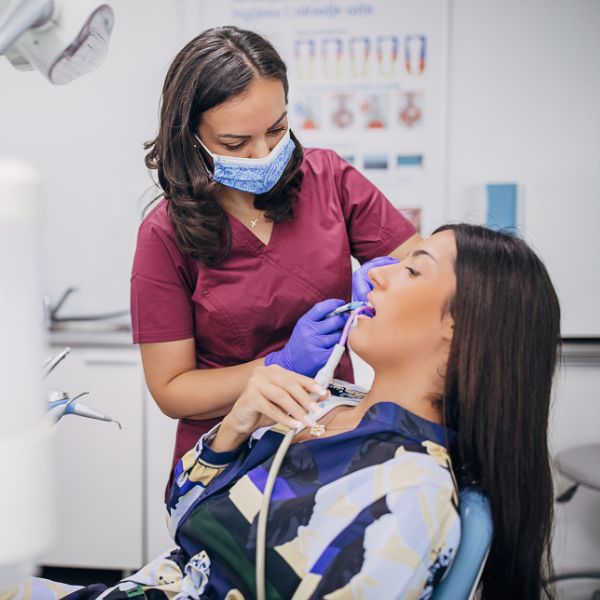
Emergency Tooth Extractions in Meyerland, Bellaire and Southwest Houston
A tooth that cracks on a Friday, a filling that fails, a swollen jaw that woke you up: these are the calls we try hardest to fit in. Call 713-723-7200 and describe what happened. Our emergency dental care page explains what counts as urgent and what can safely wait until the next working day.
We see patients from across the area, and if you are getting to know the practice, our Meyerland and Bellaire pages cover what a first visit involves and how to reach the office on N Braeswood.
Frequently Asked Questions
Do wisdom teeth always have to come out?
No, and this is a common misunderstanding. Wisdom teeth that came in straight, that you can actually clean, and that are not causing problems can often be left alone and monitored at your checkups. Removal is recommended when they are impacted, coming in at an angle, crowding or damaging the tooth in front, repeatedly getting infected, or impossible to keep clean. An X-ray shows which situation you are in.
Does having a tooth pulled hurt?
The area is numbed first, so what most people notice during the extraction is pressure rather than pain. Soreness afterward, as the anesthetic wears off, is normal and manageable. If you are anxious about it, ask about nitrous oxide or oral sedation when you book, and we will plan the appointment around that.
What is dry socket and how do I avoid it?
After a tooth comes out, a blood clot forms in the socket and protects the bone while it heals. Dry socket is when that clot comes loose too early, exposing the bone. It is painful, and it usually starts a few days after the extraction. To avoid it, do not smoke, do not drink through a straw, do not rinse or spit forcefully for the first day, and follow the aftercare instructions we give you. If you get a deep ache a few days out that is worse than the first day, call us.
Will I need stitches?
Sometimes. A simple extraction of a tooth that is fully through the gum often needs none. Surgical removals, including most impacted wisdom teeth, usually do. Many stitches used today dissolve on their own within a week or two, so there is nothing to come back for. Dr. Tummala will tell you which kind you have before you leave.
Can I get a tooth pulled the same day I call?
Sometimes, and it depends on what is going on and what the schedule looks like. Swelling, a broken tooth or pain that is keeping you awake gets priority. Call 713-723-7200 and describe the symptoms rather than waiting for a routine opening. If it turns out the tooth needs an oral surgeon, we would rather tell you that on day one.
How soon can I replace the tooth after it is pulled?
Not immediately, in most cases. The socket needs time to heal and the bone needs to settle before a permanent replacement goes in, and that is usually months rather than weeks. It is still worth discussing the plan at the extraction appointment, because an implant, a bridge and a denture each have different timing and different requirements, and knowing which way you are heading can affect how the extraction is handled.
Bring us the tooth that is bothering you
You do not need to arrive having decided anything. Dr. Tummala looks at the tooth, takes an X-ray, and tells you whether it can be kept or whether removing it is the better call, along with what each option costs.
Call 713-723-7200 or request an appointment online. We are on N Braeswood Blvd in Meyerland and see patients from across southwest Houston.