
People that refrain from smiling due to cracked, chipped, or discolored teeth may find a solution in the form of porcelain veneers. This popular option is chosen by thousands of Americans each year that are in search of a more confident and aesthetically pleasing smile. Let’s explore the reason porcelain veneers are recommended by many dentists, how they work, and if they might be right for you.
What Are Porcelain Veneers?
Veneers can be a buzz word in the beauty and dental industry, but other than the fact that they are designed to enhance an individual’s smile, few people are familiar with what veneers actually do. Essentially, these dental implements are used to help cover or mask imperfections of the surface of a person’s teeth.
There are two types of veneers most commonly used by dentists:
- Composite
- Porcelain
While both types of veneers serve the same purpose in making smiles appear brighter and more uniform, the main difference is the materials they are made from and how long they last.
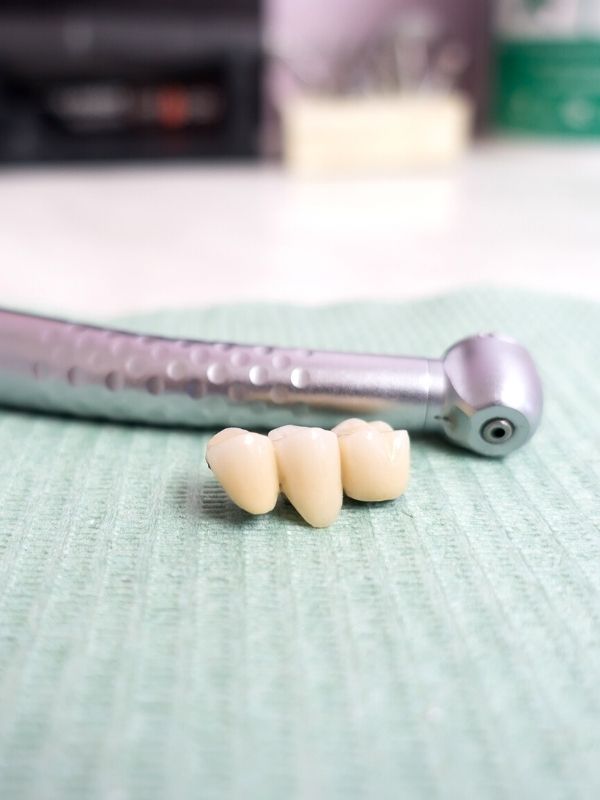
Porcelain veneers are made from a porcelain laminate material. They tend to be more popular than their composite counterparts among patients and dentists alike because they are stronger, last longer, and can look more natural.
Porcelain Veneer Candidates
- Masking tooth imperfections: Patients who have visible imperfections such as cracked or chipped teeth, gaps, or minimal misalignment frequently seek out veneers to hide these common cosmetic issues. It is important to note that veneers do not physically correct these often-benign dental problems, but rather help mask them.
- Wanting a brighter smile: Some patients can become frustrated with tooth discoloration that can come from smoking or drinking dark beverages such as tea, coffee, wine or soda. Partaking in any of these can stain tooth enamel over time. While brightening can help with this as well, veneers are generally preferred because they are largely stain-resistant and will better safeguard against future discoloration.
- Creating a line of defense for damaged enamel: The enamel of a tooth helps protect its interior and minimize cavities. Over time, eating highly acidic foods or suffering from acid reflux can cause those acids to gradually wear away the enamel of a tooth. Since tooth enamel does not regenerate, dentists may recommend veneers as a way of protecting against enamel erosion.
How Porcelain Veneers Work
If after a consultation with your Houston dentist you are considered to be a candidate for veneers, expect the process to take at least two more additional visits.
The first visit to a dentist to prepare for getting porcelain veneers involves wearing down as little of the enamel as possible, but enough to properly support the veneer. Once this step has been completed, a patient may be asked to let dental professionals taken an impression of their teeth. This allows the final veneers to be properly shaped and adhered to the teeth.
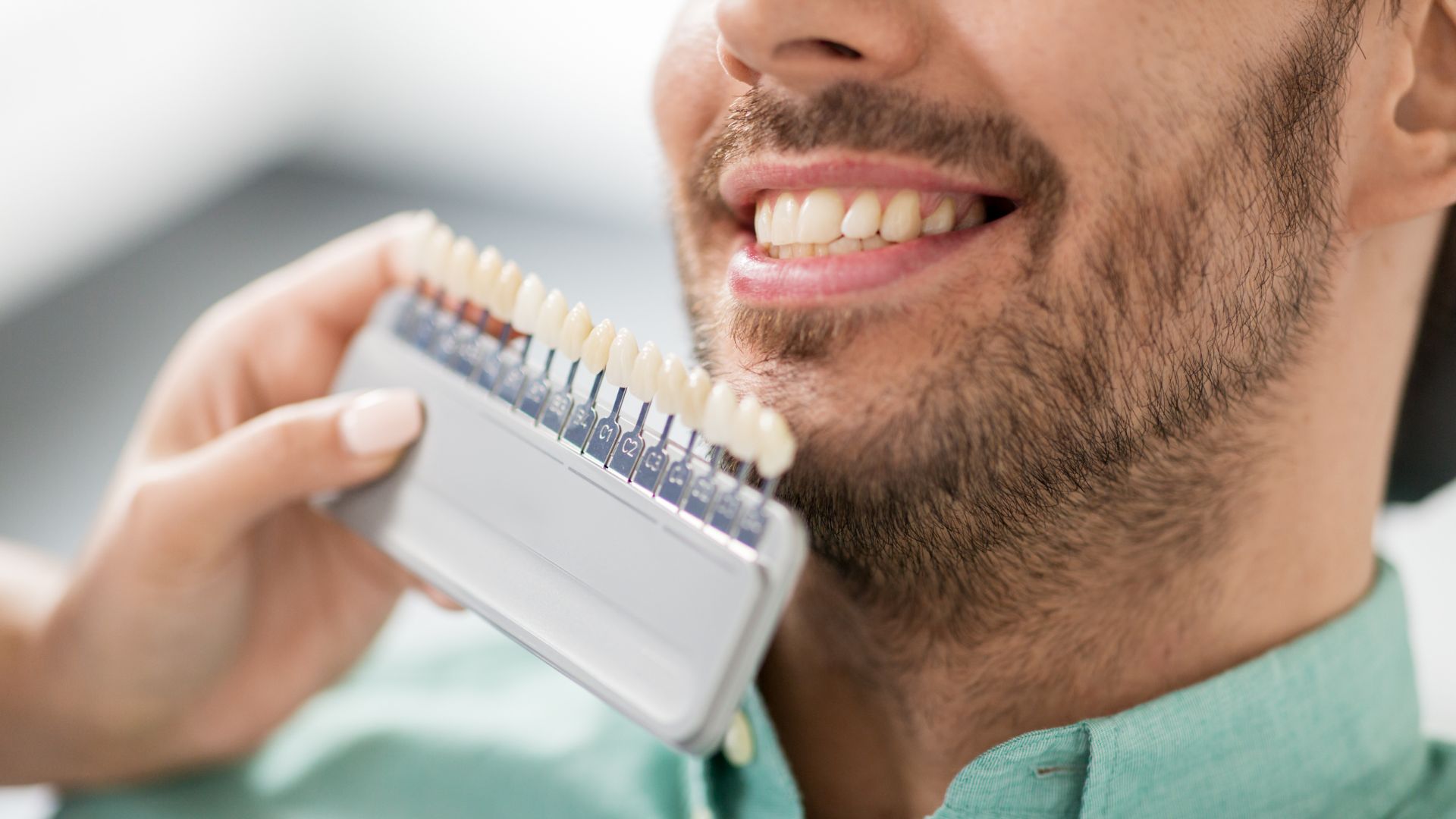
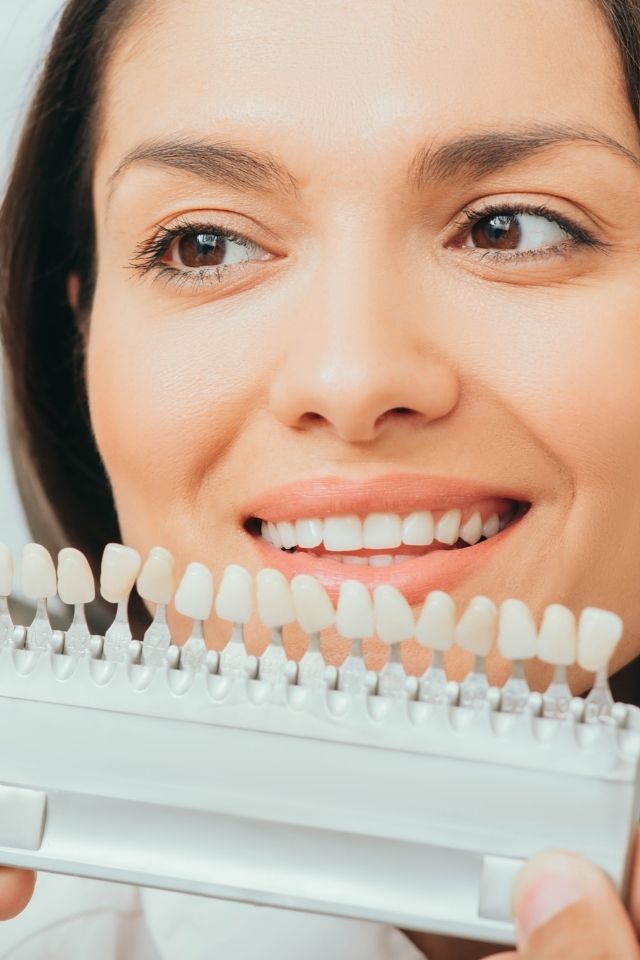
A high-quality dentist will also take the color shade of the patient’s other teeth and compare it against available hues for porcelain veneers. This ensures that the new implements will blend in seamlessly with existing teeth so they are not noticeable to others.
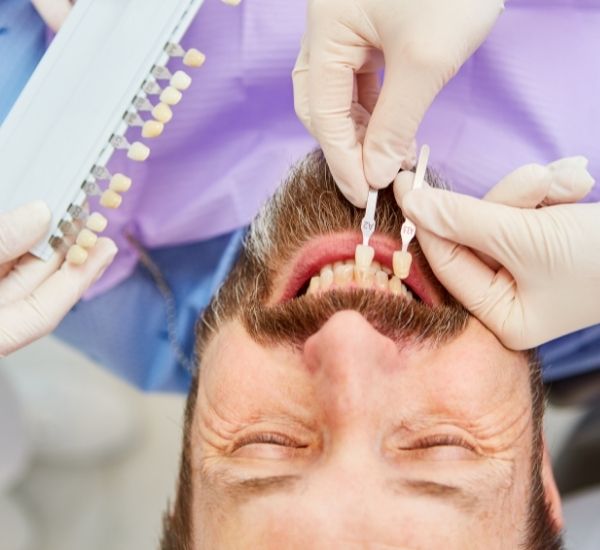
From here a laboratory should use the impression and color matching to craft veneers suited specifically for the patient. This can take a week or two, and with the worn enamel now exposed in the interim, a dentist will give the patient temporary veneers to safeguard against further damage until the final veneers arrive.
Once the veneers from the laboratory are ready, they are sent back to the dentist for application. This application generally occurs during the patient’s next visit and includes bonding the porcelain veneers to the appropriate teeth.
It is worth noting that having veneers is not a process that is considered reversible, primarily because of the wearing down of the enamel that must take place before it can be adhered to a tooth. Although the process generally cannot be undone, it is still possible for a veneer to crack or break and require a replacement. On average, porcelain veneers can last up to fifteen years or longer depending on the care they are given and the dental health of an individual.
For more on what veneers do and do not fix, read the benefits of porcelain veneers and the benefits of veneers more generally.
Choosing the Right Dentist to Do Your Porcelain Veneers
- How many veneers do you do each year?
- What type of veneers do you recommend to most of your patients, composite or porcelain?
- How many appointments are needed for getting custom made porcelain veneers?
- How much will the process cost?
- Based on your dental health, how long would they expect the veneers to last?
- Will you need to make any changes to your regular dental routine to care for the veneers?
- What is the procedure if a porcelain veneer cracks or breaks?
We want you to take back your confidence and smile proudly with the polished and fresh look of porcelain veneers from an experienced and reputable dentist you can trust.
If you are comparing options, the advantages of Lumineers and the difference between veneers and Lumineers set out the choice in detail.
Frequently Asked Questions
Is enamel removed, and is it permanent?
Usually yes, and yes. A thin layer of enamel is normally taken off the front of the tooth so the veneer sits flush rather than looking thick. Enamel does not grow back, so once that has been done the tooth will always need a veneer or crown covering it. This is the single most important thing to understand before starting, and it is why we would rather you took time over the decision. If you want a change that does not commit you, ask about bonding instead.
How long do porcelain veneers last?
Often well over a decade when they are looked after, and porcelain holds its appearance considerably better than resin does. What tends to end a veneer's life is not the porcelain itself but what happens around it: decay at the margin, gum recession exposing the edge, or a chip from grinding. If you grind your teeth at night, tell us, because a nightguard makes a real difference to how long they survive.
Will veneers look natural?
They can, and the difference is in the planning rather than the porcelain. Natural teeth are not uniformly white and they are not all identical in shape. Veneers that ignore that read as false immediately. We discuss shape, length and shade with you before anything is made, and we would rather have that conversation properly than hand you a smile that does not suit your face.
Do porcelain veneers stain?
Porcelain itself resists staining very well, better than natural enamel and much better than bonding. What can discolor is the margin where the veneer meets the tooth, and the natural tooth around it. So heavy coffee, tea, red wine or tobacco use can still change how the overall smile looks over time even though the veneers themselves have not changed.
Do I have to do all my front teeth?
No, though it is worth understanding the tradeoff. A single veneer is entirely possible and is often done to fix one damaged tooth, but matching one veneer perfectly to the natural teeth beside it is the hardest thing to do well. Doing several together makes matching easier because they are made as a set. We will talk through what you want to change and what it will take to make it look right.
Is there a way to finance veneer treatment?
Yes. We work with CareCredit and Cherry, and either can spread the cost into installments. You are able to apply before your visit if you would rather know where you stand first. Terms vary by applicant so we do not publish them, but we will walk you through the options honestly, including whether a smaller piece of treatment would get you most of what you want. See our financial policy for how payment is handled.