
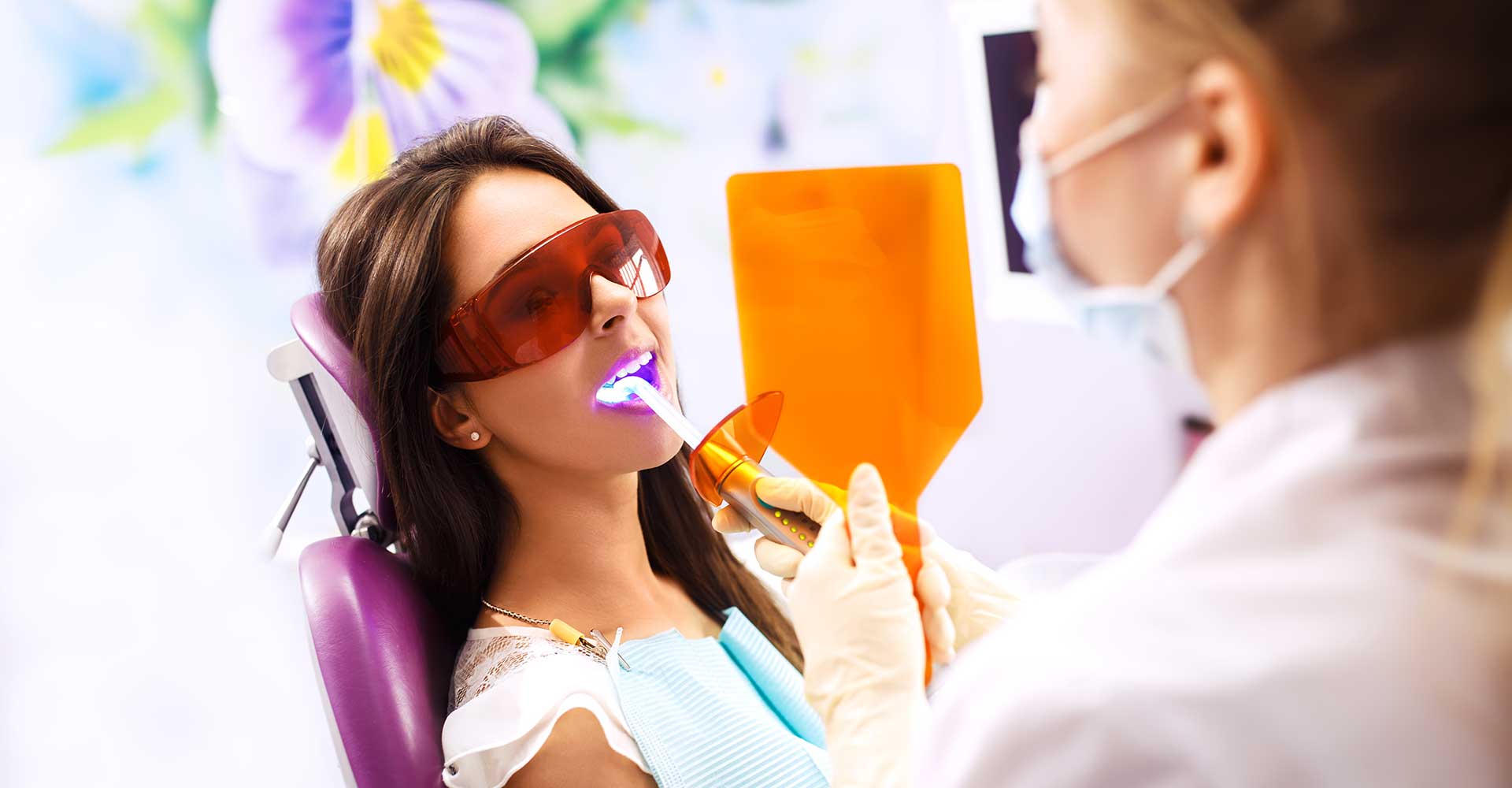
Dr. Chiranjeevi Tummala uses a dental laser at our Meyerland office for treatments that would otherwise need a drill, a blade or stitches. For a lot of patients the appeal is simple: less noise, less vibration and, for some procedures, no need for numbing at all.
It is not a gimmick and it is not right for everything. Below is what a laser actually does, what we use it for here in southwest Houston, and how to tell whether it applies to your situation. Call 713-723-7200 or request an appointment if you would rather just ask.
If you are still weighing it up, what laser dentistry actually covers and the health benefits of treating with a laser go into more detail. For anyone who dreads the drill, how laser dentistry is changing dental visits is the one to read.
Defining Laser Dentistry
Although laser dentistry technology has been available for years, it became more prevalent in clinical dentistry at the turn of the century. Especially for individuals who are fearful about the use and effect of loud drills and various tools at the dentist, this method of treatment allows for a much less invasive approach via beams of focused light energy that have the capacity to reshape or remove hard tissue (teeth) and soft tissue (gums).
What Conditions Can Laser Dentistry Address?
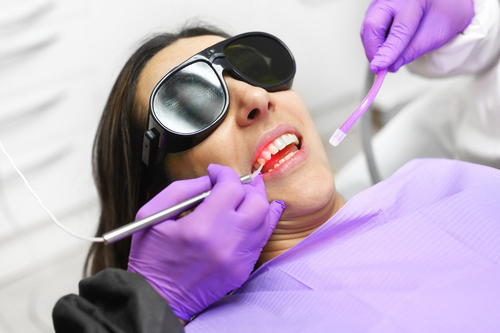
Laser dentistry is designed to treat a variety of hard tissue and soft tissue problems that can include:
Cavity Preparation and Fillings
In a normal procedure of filling a cavity, the use of a drill and numbing agent are usually needed. However, lasers often have the ability to kill cavity bacteria without the use of typical dental tools which may yield cost savings as well as the minimization of normal cavity-related inconveniences.
Crown Lengthening
In the event that a patient requires a crown, the affected tooth will likely need reshaping. Laser dentistry can be a less invasive method to reshape the bone and gum tissue in a way that can increase the success of temporary and permanent crown placement.
Gum Contouring
Although for many it is more of a cosmetic issue than a danger, some individuals experience gum lines that covers much of a tooth. Laser dentistry is instrumental in helping to reshape the gums for a more typical presentation.
Periodontal Disease
The use of a laser can provide a less invasive approach to treating periodontal disease that is generally more comfortable afterward and tends to heal faster.
Root Canals
A laser can send pressure waves through the fluid inside a root canal, reaching side branches that a file cannot, which helps clean and disinfect the canal more thoroughly.
Sensitive Teeth
Many adults struggle with teeth that are sensitive to intensely hot or cold food or drink. Laser dentistry may be able to help stop sensitivity via treatment to the affected tooth’s root.
Tongue Frenulum Attachment
There is a bit of skin under the tongue that keeps it anchored to the bottom of the mouth called the frenulum. Some patients may have an abnormally tight or large frenulum that if treated by laser dentistry could provide a greater degree of comfort. In particular, children receiving this treatment may experience improved speech.
The Benefits of Laser Dentistry
Although the technology itself is impressive, more patients are opting to receive laser dentistry treatments in Houston because of the convenience and peace of mind. When receiving more traditional treatments not involving a laser, it may be more uncomfortable and painful as well as require an extended recovery.
In sharp contrast, laser dentistry minimizes or eliminates many of the headaches associated with non-laser dental treatments. Some of the primary benefits of laser dentistry include:
- Faster recovery time
- Less discomfort during and after many procedures
- Optional use of anesthesia
- Better sterilization as lasers can help reduce the occurrence of bacterial infection
- Less blood loss
- Less trauma to the surrounding tissue, so it has less to recover from
- Minimal invasiveness
- Nominal discomfort or swelling
- Reduced damage to surrounding areas
- Reduction in or elimination of the need for stitches or sutures
Is Laser Dentistry Right for Me?
Dental lasers have been used for more than two decades with positive and successful results. When used correctly and with proper training, lasers have been proven to be quite effective in treating common dental conditions without the use of more cumbersome or painful traditional methods.
Whether a laser suits your case depends on the tooth, the tissue and what is wrong with it. Lasers behave differently around existing metal restorations, and some situations are simply handled better with conventional instruments. That is what the examination is for, and Dr. Tummala will go through the options with you before anything is booked. Some of what we treat is restorative and some is closer to cosmetic work such as gum contouring.
Laser Dentistry at Our Meyerland Office
Meyerland Family Dentistry is at 4455 N Braeswood Blvd, Suite 201, Houston, TX 77096. Patients come to us for laser treatment from Meyerland, Bellaire, Westbury, Willow Meadows and West University Place, and from further out in 77035 and 77025.
The laser is an instrument, not a treatment plan. What matters is the examination that comes first: which tooth, how deep the problem goes, what your gums measure and what your medical history says. Dr. Tummala will tell you whether a laser is the better tool for your case or whether something conventional does the job faster, and she will say so plainly either way.
The treatments we use it for most are gum disease treatment, crown lengthening and root canal disinfection. If you want the background first, the benefits of laser dentistry, how lasers have changed dental treatment and what laser dentistry looks like here in Houston are all worth a read.
Ask Whether a Laser Is an Option for Your Treatment
The quickest way to find out is to bring us the tooth or the gum that is bothering you. Dr. Tummala will look, explain what she sees, and tell you which instruments are on the table for it.
Call 713-723-7200 or request an appointment at our Meyerland office.
Frequently Asked Questions
Is laser dentistry safe?
Dental lasers have been used in practices for decades and are well established. During treatment you and the team will wear protective eyewear, because the light is focused and bright. The important part is not the laser itself but who is holding it. A laser is a precision instrument and it does what the person using it directs it to do, which is why training and experience matter more than the equipment.
Does laser treatment mean no needles?
Not always, and it would be unfair to suggest otherwise. Some laser procedures are comfortable enough that little or no anesthetic is needed. Others still require numbing, particularly anything working deep in the tooth or below the gumline. What is generally true is less vibration, less noise and no drill sound, which is what most anxious patients are actually reacting to. Dr. Tummala will tell you honestly what your specific treatment will involve before you agree to it.
Is laser treatment an option for everyone?
No. It suits many situations but not all of them, and there are cases where traditional instruments do the job better or faster. Existing dental work can also affect what is possible, since lasers behave differently around metal restorations. The honest answer is that it depends on the tooth, the problem and your medical history, which is what the examination is for.
Will my insurance cover laser dentistry?
It varies by plan, and the thing to understand is that most plans base coverage on the procedure rather than the instrument used to do it. So a treatment may well be covered at the usual rate whether it is done with a laser or conventionally, though some plans treat them differently. We are happy to help you check what your plan says before you commit to anything.
What if my plan does not cover it?
You still have options. We work with CareCredit and Cherry, two patient financing companies that let treatment be paid in installments, and you can apply with either before your visit. What you are offered depends on the plan you qualify for, so we would rather talk it through than publish figures. Our financial policy page explains how payment is handled.