


Specializing in Dental Health in Houston TX
- The risk of developing cardiovascular disease, including stroke
- The risk of developing endocarditis (heart inflammation)
- The severity of diabetic symptoms
- The risk of illness due to infection, including respiratory infection
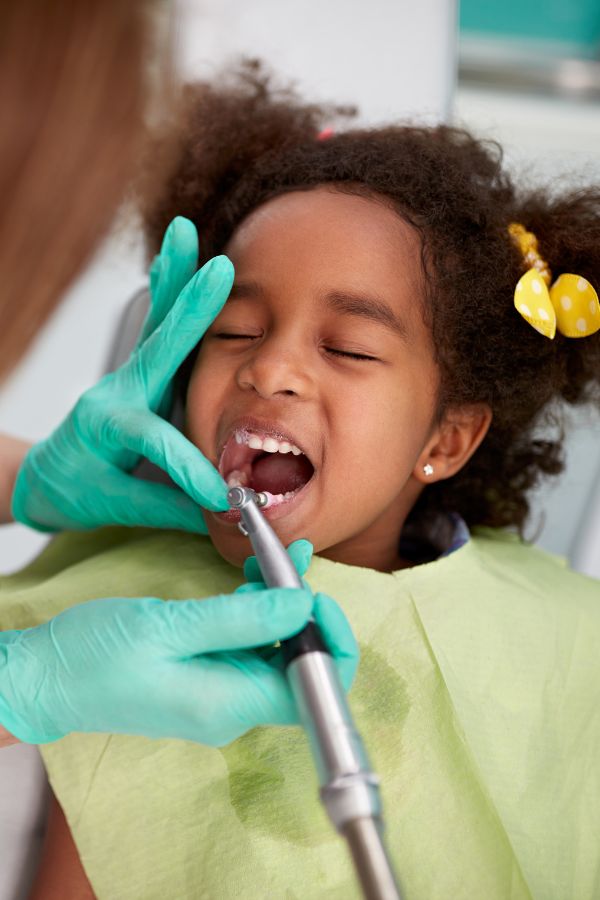
A child’s first visit to the dentist doesn’t have to be stressful. In fact, you may be surprised how many children are curious, in a positive way, about their first trip. If there are some nerves beforehand, relating your own positive dental experiences, reading books about dentists, or visiting the dentist’s office before the appointment can help calm them.
During your child’s first appointment, our team will make every effort to ensure your child is comfortable. If necessary, we may ask the parent to hold their child during examination. Once they are old enough, we recommend the child accompany the dentist to the examination room alone, in order to build confidence at the dentist’s office.
Your child’s first visit will include an examination of any baby teeth, the gums, jaw and bite pattern. The dentist will assess their development and recommend fluoride, if needed. If the child is old enough, the dentist will demonstrate how to properly brush and floss, so they can start taking proper care of their teeth. The dentist may provide a gentle cleaning, as well.
Dental x-rays are not recommended during a child’s first visit unless there is an obvious need for it, like the presence of a jammed baby tooth or significant tooth decay.
Regular Dental Prophylaxis (Teeth Cleanings) Help Minimize Plaque Buildup, Tooth Decay and Periodontitis
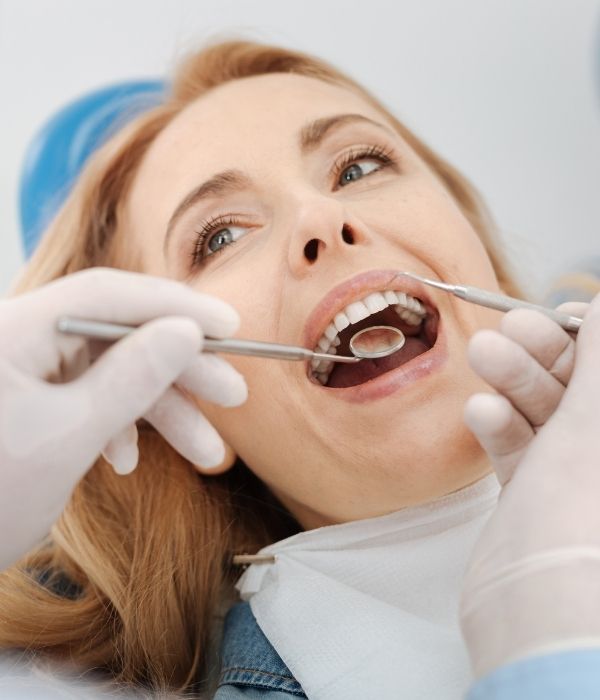
Teeth cleanings, also called dental prophylaxis, are an important part of every dental health regimen. The American Dental Association recommends at least one examination and cleaning every year, even if you practice proper dental hygiene.
That’s because everyone misses a spot or two during brushing and flossing. The plaque that’s left behind soon hardens into calculus, or tartar. Once it does, it cannot be removed through normal brushing alone. The only way to get rid of it is to scrape it off with dental tools. During a cleaning, the dentist will also polish the teeth and smooth their surfaces. This makes it more difficult for bacteria to adhere to the tooth and multiply.
Routine teeth cleanings also allow the dentist to closely examine the condition of your teeth. During your cleaning, the dentist will check for cracks and chips, and note any potential areas where plaque may be likely to build up. It’s also common for dentists to check for signs of oral cancer during cleanings. Many oral cancers are treatable if caught early, so regular cleanings provide valuable check-up time.
Not sure how often you should come in? Our guide to how often you need a dental checkup in Houston explains what most patients need and when we recommend visiting more often.
Periodontitis is the medical term for gum disease – a condition marked by red, swollen and painful gums. It can also cause bad breath and, if left unchecked, eventually result in tooth loss. Among those aged 35 and older, more people lose teeth to gum disease than cavities.
Fortunately, periodontitis is largely preventable with good oral hygiene and regular visits to the dentist. Brushing twice a day and flossing once a day is enough to minimize the risk of periodontitis, but even with perfect oral hygiene, some people are more prone to gum disease.
As soon as any symptoms of periodontitis emerge, schedule a dentist appointment. Periodontitis can be reversed if it is managed early.
Grinding is a separate problem that damages teeth just as quietly. The signs of night time grinding are worth knowing, because most people have no idea they do it.
We Can Also Utilize Antibiotics To Treat Periodontitis
Many oral health problems, including periodontitis and cavities, can be prevented with consistent oral hygiene. Most of us know that brushing twice a day is important, but it’s also important how you brush. We recommend using light pressure and brushing with circular motions. Brush the front of your teeth this way and then use the same technique to brush the back surfaces of the teeth. To get between your teeth, flip the brush and use it vertically in a back and forth motion. While brushing, don’t forget the gums.
Flossing is also important to get right. To do it right, hold the floss between the thumb and forefinger in each hand. Insert the floss between the teeth and curve it into a C shape while pressing it against the side of one tooth. Move the floss up and down to clean out any plaque and do the same with the other tooth. Repeat this process between each tooth.
If any of the terms your dentist uses are unfamiliar, our dental dictionary explains them in plain language.
We Focus On Your Family’s Dental Health
How often should I see a dentist?
Every six months suits most people, and that interval exists because it is roughly how long it takes for problems to develop from invisible to treatable. Some people genuinely need to come more often, including anyone with gum disease, a history of frequent decay, diabetes, or who smokes. A smaller number can safely stretch it. We will tell you what makes sense for you rather than applying the same rule to everybody.
My teeth do not hurt. Do I still need to come in?
Yes, and this is the single most common reason people put it off. Pain is a late signal in dentistry, not an early one. Cavities do not hurt until they are deep, gum disease rarely hurts at all until it is advanced, and both are far cheaper and simpler to deal with before they announce themselves. By the time a tooth hurts, the options are usually fewer and bigger.
Can gum problems really affect the rest of my health?
There is a well documented association between gum disease and several conditions, including cardiovascular disease and diabetes, and the link with diabetes runs in both directions since each makes the other harder to control. What the research shows is a consistent relationship rather than proof that one directly causes the other, and we would rather be accurate about that than overstate it. Either way, healthy gums are worth having in their own right.
I have not been to a dentist in years. Where do I start?
You start by calling, and you will not be lectured. A lot of people are out of the habit, sometimes for a decade or more, and it is more common than you would think. The first visit is an examination and a conversation, not a list of everything that is wrong. We work out what needs attention first, what can wait, and what order makes sense, and we go at a pace you are comfortable with. Call 713-723-7200 or book an appointment.
Is dental treatment something I can pay for over time?
Yes. Alongside the payment methods we accept in the office, we work with CareCredit and Cherry, two patient financing companies that let treatment be paid in installments, and you can apply with either before your visit. Terms depend on the plan you qualify for so we do not publish them, but we will explain the options plainly. Our financial policy page covers how payment works.