
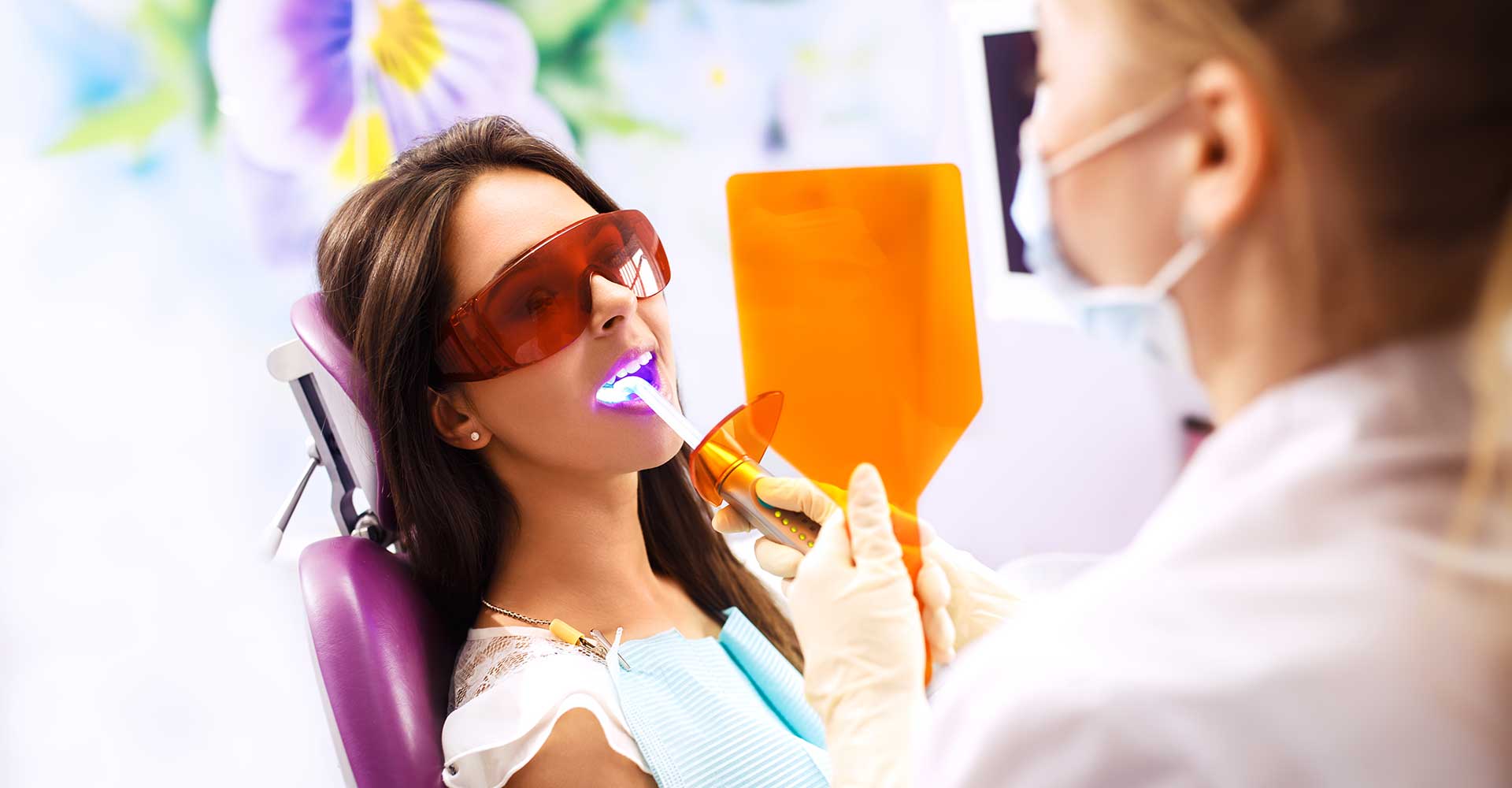
You may have seen laser dentistry listed on our website, or heard it mentioned at a cleaning, and wondered whether it is a real difference or just a word on a sign.
It is a real difference, and it is easier to understand than it sounds. This post explains what a dental laser does, which treatments it changes, and what you would actually notice sitting in the chair. Dr. Tummala uses dental lasers for several treatments at our office on North Braeswood Boulevard in Meyerland, for patients across Bellaire, Westbury, Willow Meadows and southwest Houston.
If you have been quietly putting off gum treatment because you do not like the sound of it, this is the post worth reading. To talk it through, call 713-723-7200 or request an appointment.
What a Dental Laser Actually Does
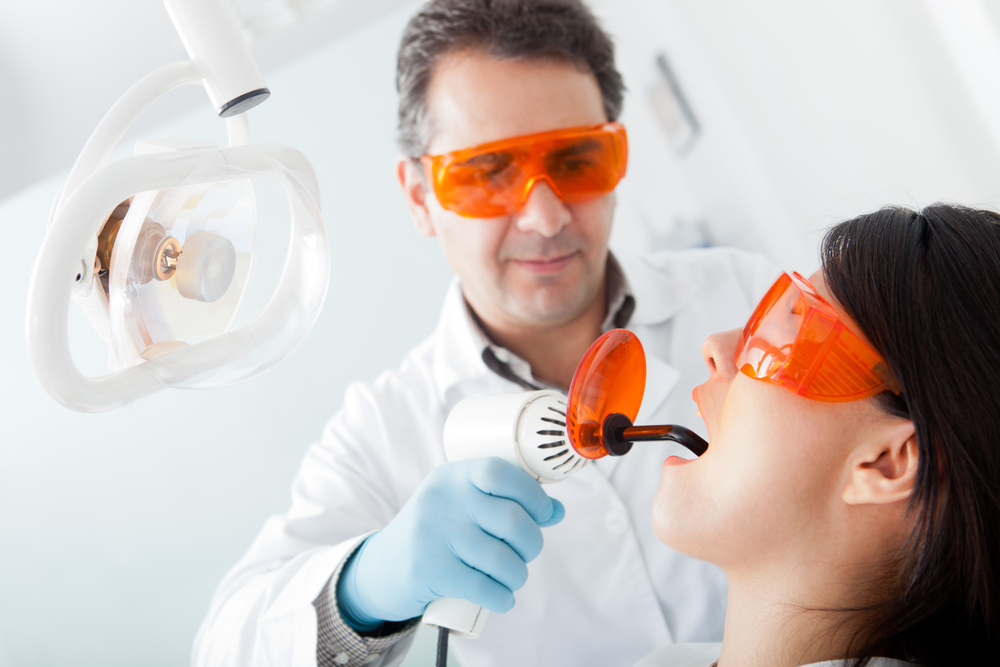
A dental laser is a tool that delivers a narrow, focused beam of light energy. That energy is absorbed by the tissue it is aimed at, and the tissue is removed or reshaped a very small amount at a time.
The useful part is how precise that is. A blade cuts through whatever is in its path. A laser can be tuned so that it works on soft gum tissue and leaves the hard tooth surface next to it alone. Your dentist can treat a few millimeters of diseased tissue and leave the healthy tissue on either side of it in place.
Different lasers do different jobs. Some are built for soft tissue like gums. Others can work on hard tissue, which is how a laser can be used in place of a drill for some small cavities. Our full range is described on our page about laser dentistry in Houston.
Less Cutting, Less Bleeding, Fewer Stitches
This is the benefit most patients notice first, and it comes down to what the light energy does as it works.
The same energy that removes tissue also seals small blood vessels as it goes. So a laser procedure on the gums usually bleeds less than the same procedure done with a scalpel. Less bleeding means your dentist can see the treatment area clearly, which matters when the goal is removing diseased tissue and nothing else.
Because there is no incision in the ordinary sense, many laser gum procedures need no stitches at all. Nothing has to be pulled closed and nothing has to come out a week later. For a lot of people that single fact changes how the whole appointment feels.
Treatments Where a Laser Changes the Visit
Gum disease treatment
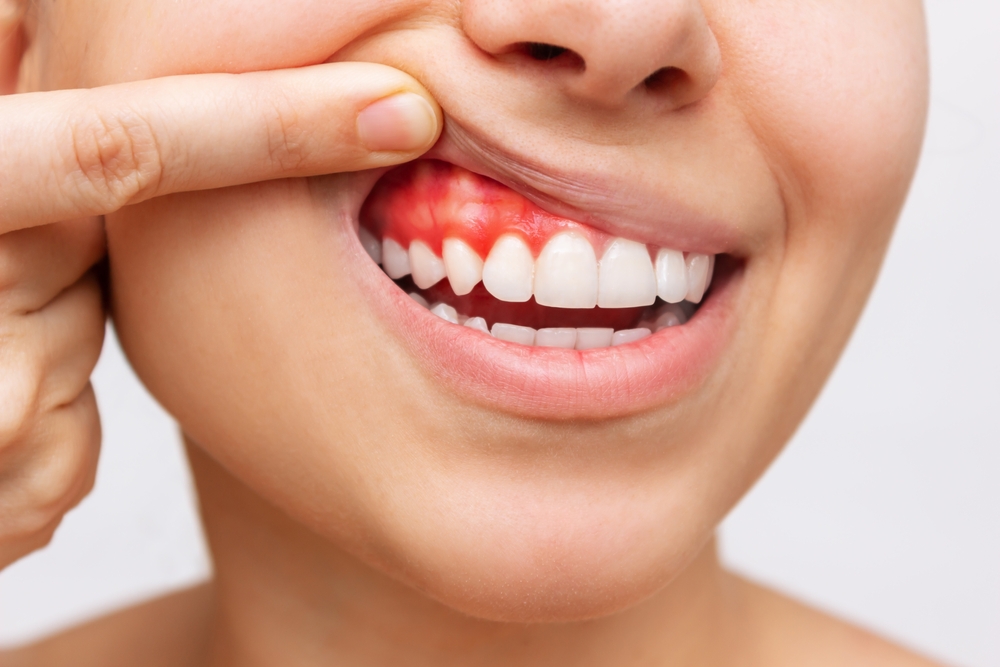
This is the big one. When gum disease has created deep pockets around your teeth, a laser can remove the infected tissue lining those pockets without cutting the gum away from the tooth and folding it back. Our laser periodontal disease treatment page covers the procedure, and a separate post walks through what to expect at a laser gum treatment appointment.
Crown lengthening
Sometimes a tooth does not have enough structure showing above the gum line to hold a crown, or a smile shows more gum than a patient would like. Reshaping the gum with a laser is quicker and heals faster than the traditional surgical version. That is described on the laser crown lengthening page.
Root canals
A root canal cleans infection out of the inside of a tooth. Those canals are narrow and curved, and a laser can help clean and disinfect spaces that instruments struggle to reach. See laser root canals for how that works.
Tooth sensitivity
If cold water makes you wince, the cause is often exposed tubules in the dentin under your enamel. A laser can seal those openings. Laser treatment for sensitive teeth explains who it helps.
What You Would Notice as a Patient
Here is the honest version, without the marketing. The short answer is that the technology changes the precision of the work far more than it changes the theater of the appointment.
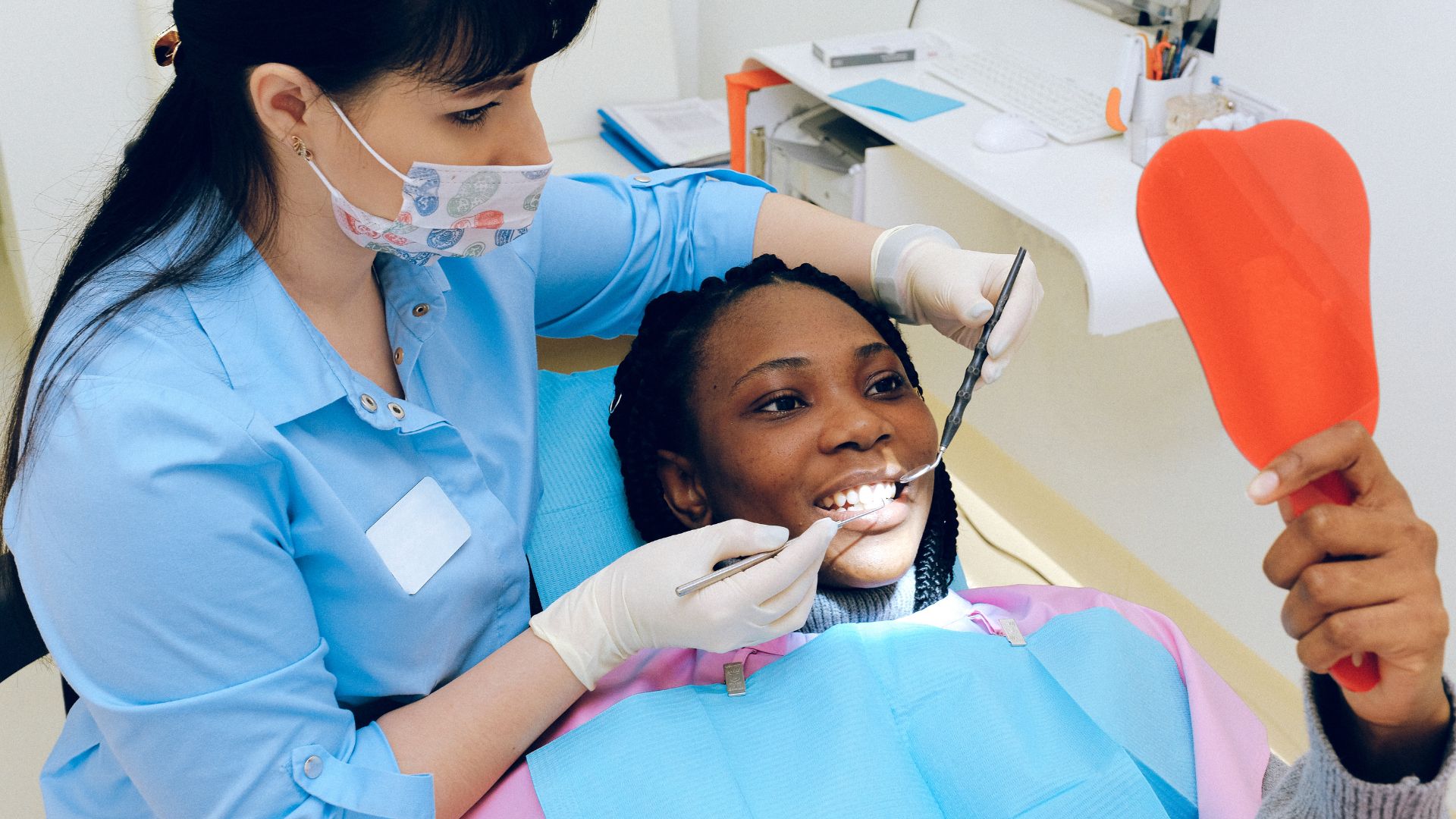
You will still be numbed for most laser procedures. A laser is not a replacement for anesthetic, and anyone who tells you otherwise is overselling it. What tends to be different is afterward. Swelling is usually lighter. Soreness tends to settle over a few days rather than a week or two. There is no stitch line to protect and no suture removal appointment.
Appointments are often shorter, because less time goes into cutting, controlling bleeding and closing. And because the laser can be aimed with that level of accuracy, your dentist can often treat one problem area without disturbing the teeth or the healthy tissues on either side of it. That efficiency is why a laser appointment frequently takes less chair time than the conventional version of the same care.
What you will not notice is the thing people expect from the word laser. There is no beam of visible light and no dramatic noise. Most patients say the biggest surprise is how undramatic it is.

Fewer Bacteria Left Behind in the Treatment Area
Gum disease is a bacterial problem. The pockets that form between your gums and your teeth fill with bacteria, and those bacteria keep the infection going even after the visible tartar is removed.
The energy a dental laser delivers reduces the bacteria in the tissues it touches as it works. That is a useful side effect of how the tool operates, not a separate treatment, and it is one reason laser gum care is often paired with a deep cleaning rather than used instead of one. Lowering the bacterial load in the pocket gives the gum tissue a better chance to reattach to the tooth as it heals.
Your dentist will still measure your pocket depths afterward. That measurement, not the technology used, is how anyone can tell whether the treatment worked.
Healing and Recovery After Laser Treatment
Recovery is the part patients ask about most, so here is what the days afterward usually look like.
Most laser gum procedures are done under local anesthesia, so the appointment itself is comfortable. Once the anesthetic wears off, expect the treated gums to feel tender. Most people manage that with an over the counter pain reliever and soft food for a day or two.
Because there is usually no incision and no sutures, there is no stitch line to protect and no follow-up visit to have them removed. Healing of the surface tissue generally happens over the first week or so, while the deeper reattachment of gum to tooth continues for several weeks after that. Your care instructions will tell you what to avoid and when to come back so your dentist can check the result.
Everyone heals at a different pace. Smoking, uncontrolled diabetes and inconsistent home care all slow it down, which is why those come up in the conversation before treatment rather than after.
What a Laser Does Not Do
A laser is a tool, not a cure. It does not remove the need for the rest of your care.
If you have gum disease, the hardened tartar below your gum line still has to come off, and that is done with instruments during a deep cleaning. The laser handles the infected soft tissue. The two steps work together.
A laser also does not keep gum disease from coming back. That depends on what happens at home and on keeping up with your maintenance visits. If your gums bleed when you brush, that is worth a phone call whether or not a laser ends up being part of the answer.
Is Laser Treatment Right for You?
That depends on what is going on in your mouth, and it is not a decision you have to make before you come in.
At an exam, Dr. Tummala looks at your gum pocket depths, takes X-rays where they are needed, and talks through what she sees. If a laser is the better tool for your situation, she will say so and explain why. If it is not, she will say that too. Some problems are better solved another way, and some are far enough along that they need a specialist.
Not every patient is a candidate. Certain health conditions and medications change the plan, which is why the conversation starts with your history rather than with the equipment.
If you have been told you have gum disease, or you have been avoiding treatment because of how it sounds, come in and get a clear answer about where things actually stand.
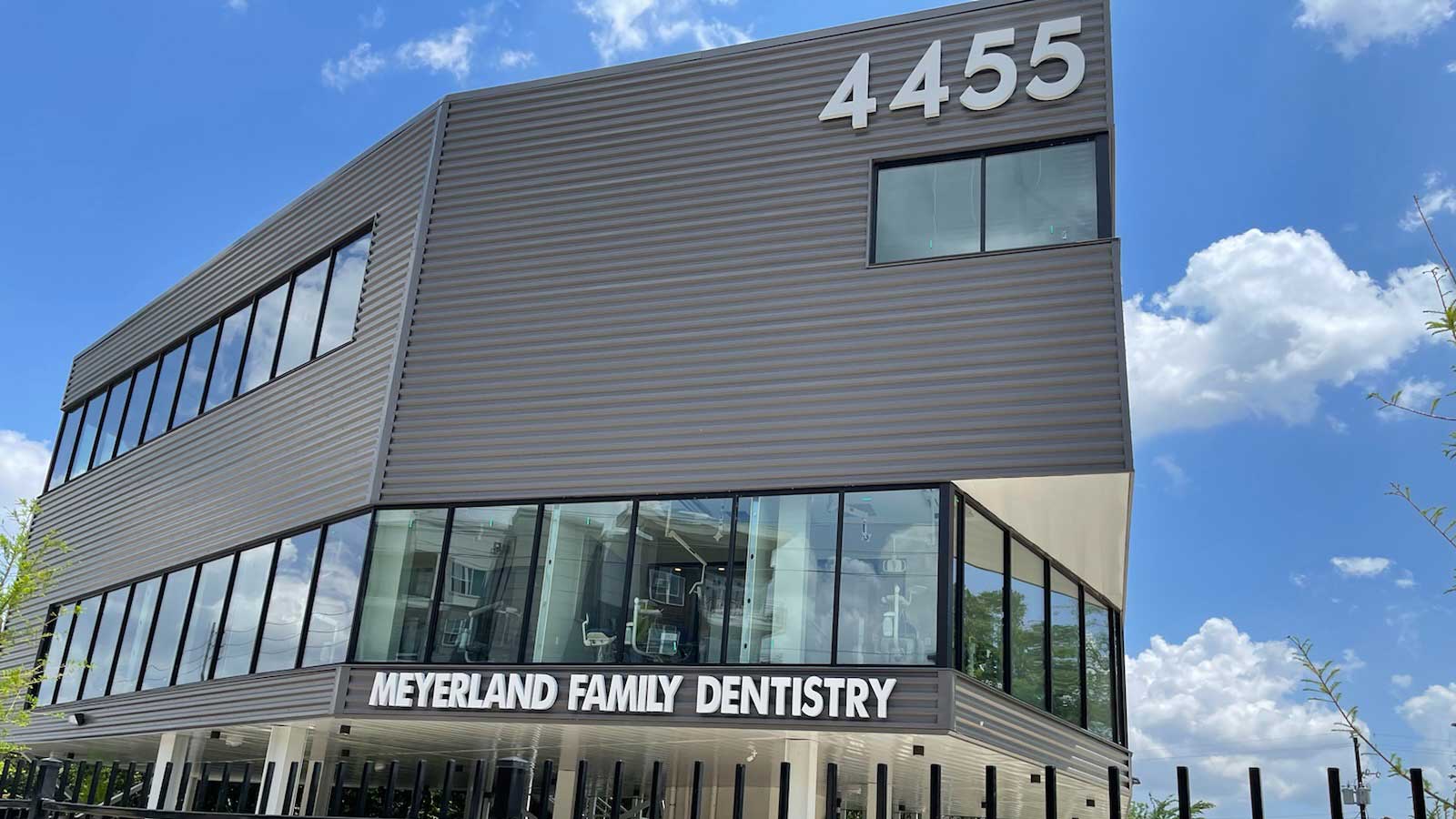
Dr. Tummala sees patients from Meyerland, Bellaire, Westbury, Willow Meadows and across southwest Houston at our office on North Braeswood Boulevard. You can read more about the practice on our Meyerland dentist page.
Call 713-723-7200 or request an appointment online.
Frequently Asked Questions
Does laser dentistry hurt?
Most laser procedures are done with local anesthetic, so you should not feel the treatment itself. What patients usually report is that the days afterward are easier than they expected, with less swelling and soreness than traditional gum surgery. Everyone heals differently, so your dentist will tell you what to expect for your specific treatment.
Is laser dentistry safe?
Dental lasers are a well established tool and have been used in dentistry for decades. You will wear protective eyewear during treatment, and so will the team. As with any procedure, your health history matters, which is why Dr. Tummala reviews it before recommending anything.
Will I still need to be numb?
Usually, yes. A laser reduces bleeding and tissue trauma, but it is not a substitute for anesthetic on most procedures. Some very small soft tissue treatments can be done with little or no numbing, and your dentist will tell you which category yours falls into.
How long does it take to heal after laser gum treatment?
Most people are back to normal eating within a few days, and the gums continue to firm up over several weeks. Because there is usually no incision and no stitches, there is less to protect while you heal. You will get specific aftercare instructions based on how much area was treated.
Does insurance cover laser dentistry?
Coverage depends on the procedure and on your individual plan, not on whether a laser was used. Our team can look at your benefits and give you an estimate before you decide anything. Call 713-723-7200 and we will walk you through it.