
People often ask what aligners cost and how long they take. However, almost nobody asks what it is like to wear them, which is strange, because that is the part you actually live with for months.
So here is the honest version. Not the brochure version. What the first week of wearing clear aligners feels like, how close to invisible they really are, what you will find annoying, what stops being a thought after a couple weeks and the handful of habits that decide whether you finish on schedule.
The First Week
The first week of wearing aligners is the hardest, and knowing that in advance makes it much easier. Nothing about your appearance changes in a way other people register, which is the part most adults are quietly worried about.

Day One
Your teeth feel tight. Not painful, but present, in a way teeth normally are not. Biting down on something firm feels odd. This is the tray doing exactly what it is supposed to do, and the tightness fades over the first two or three days.
Your Speech is Briefly Strange
Most people develop a slight lisp on s and sh sounds for a few days while the tongue learns there is something new behind the teeth. It sounds much more noticeable to you than to anyone else. If you have a presentation in the first week, read it aloud at home once or twice and it will be fine.
Getting Them In and Out
Awkward at first, automatic within a week. Start at the back and work forward coming out. Use both hands. Most people are slow and careful on day one and barely think about it by day ten.
You Will Drink More Water
Mouths feel drier with trays in, and a dry mouth is worse for your teeth, not better. Saliva is what neutralizes acid and washes away the debris that causes decay. Keeping water nearby is a genuinely useful habit rather than a comfort tip.
The Twenty Two Hour Rule, and Why It Is Not Negotiable
An aligner moves a tooth only while it is on the tooth. That is the whole mechanism. Twenty two hours a day leaves you roughly two hours for meals, which is enough for three meals and a coffee if you are not grazing.
The failure mode is not dramatic. Nobody decides to stop. What happens is that trays come out for a long lunch, then for a dinner, then they sit in a pocket through an evening, and after a few weeks of that the next tray does not fit properly because the teeth did not finish the last movement. Then everything slows down.
The Habit That Solves It
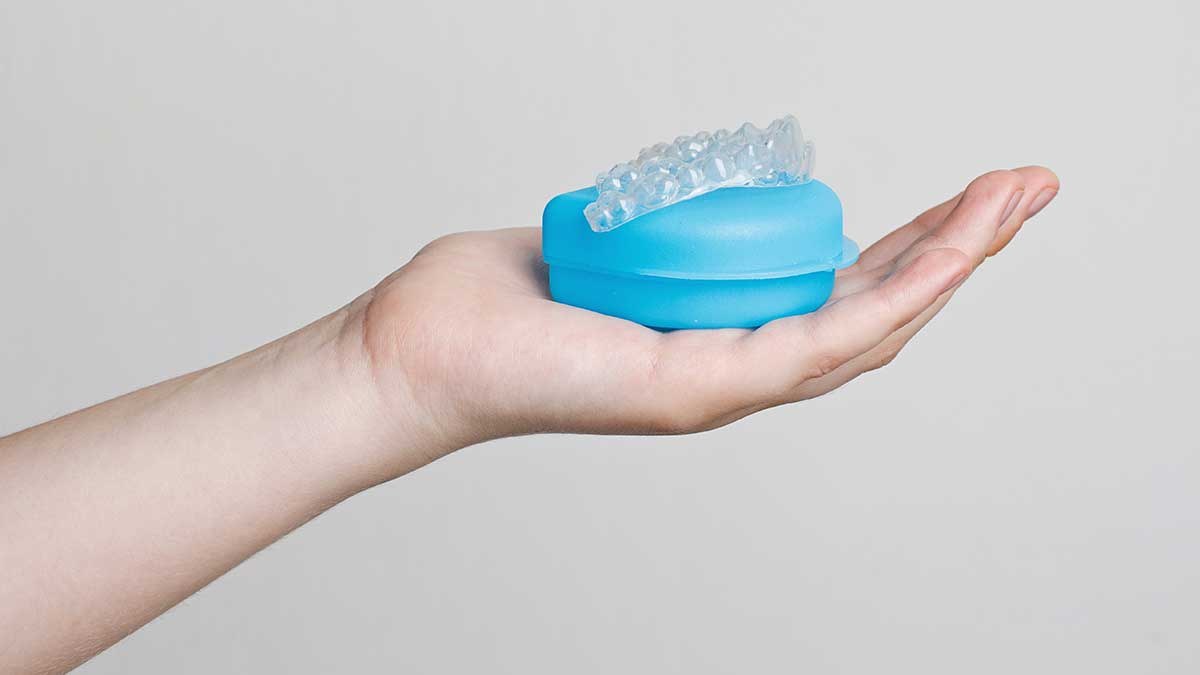
Put the tray back in before you clear the plate. Not after the washing up, not when you remember. Before you stand up. People who do that finish on time and people who do not often extend their treatment time.
Where to Put Them While You Eat
In the case, every time. Aligners wrapped in a napkin get thrown away, and that is not a rare story, it is the single most common way a tray is lost. Restaurant tables and work breakrooms account for most of them.
Eating, Drinking and the Things That Stain
You eat normally because the trays are out. That is the real advantage over fixed braces and it is worth more than it sounds over a year.
The rule that matters is simple. Nothing but plain water goes in your mouth while the trays are in. Coffee and tea stain the plastic and will stain it visibly within days. Anything sugary, including juice and sports drinks, gets held against your teeth by the tray, which is a good way to finish straightening with a new cavity.

Coffee, Specifically
Take the trays out, drink your coffee, rinse your mouth, put them back. Rinsing matters because sealing acid against enamel for two hours is worse than drinking the coffee was in the first place.
Cleaning, Yours and Theirs
Brushing and flossing carry on exactly as before, which is one of the quiet advantages of aligners. There is no metal bracket to thread floss around, which is the single biggest day to day difference between this and traditional braces. What is new is that you need to brush after meals before the trays go back in, so a toothbrush lives in your bag now.
Cleaning the Trays
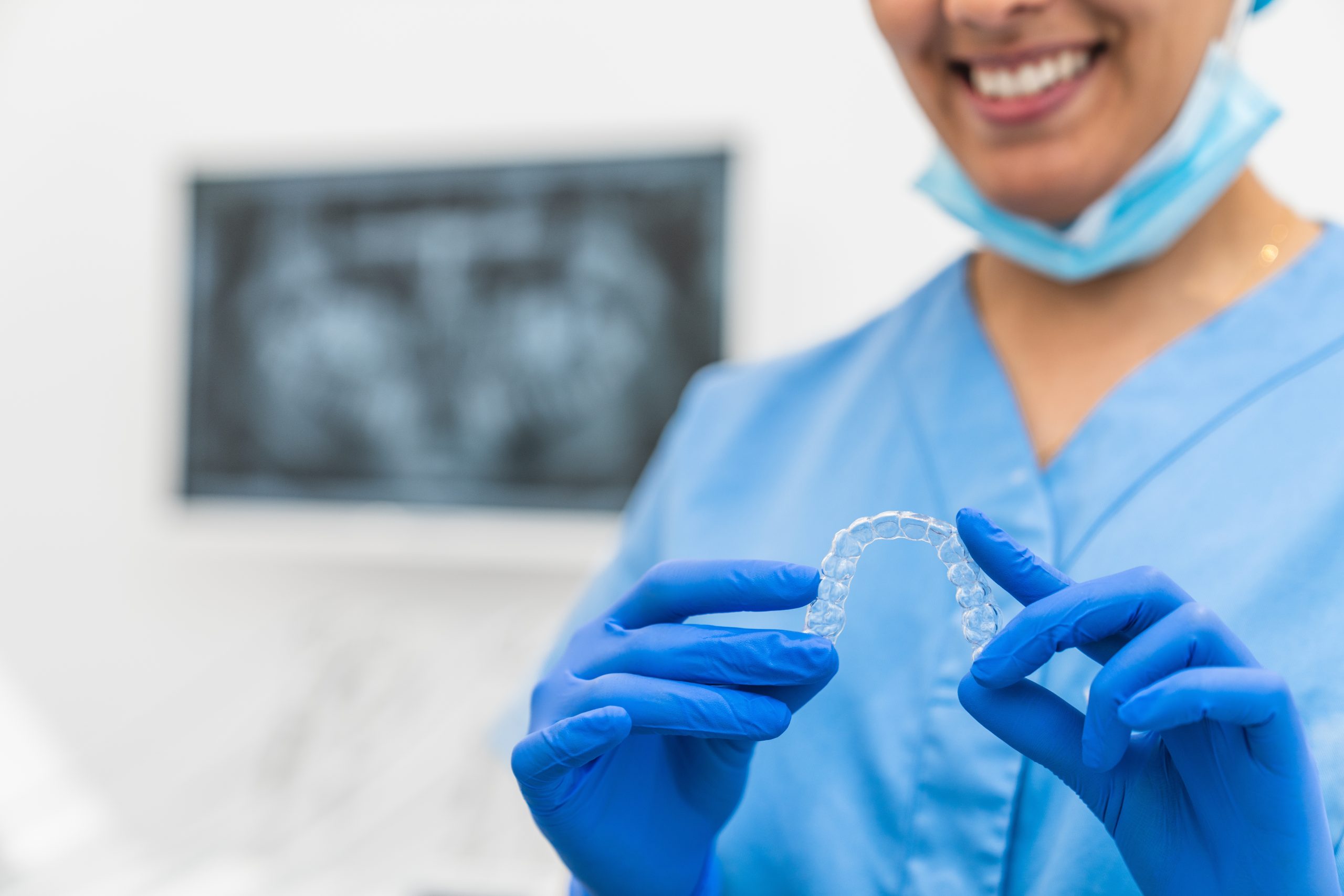
Rinse them in cool water whenever they are out, and brush them gently with a soft brush and no toothpaste. Toothpaste is abrasive and scratches the plastic, and scratched plastic looks cloudy. Hot water is the other thing to avoid, because it can warp the tray and a warped tray no longer fits the plan.
Keep Your Cleanings Booked
Gum health matters more during treatment, not less. Teeth are moving through bone and the tissue around them needs to be in good shape. Keep your regular teeth cleaning appointments through the whole treatment rather than pausing them until the end.
Travel, Work and Real Life
Aligners survive normal life better than fixed braces do, but a few situations are worth thinking about before you are in them. None of them is a reason not to start, and the office can usually work around any of them if you say so at a check in.

Trips
Take the current tray, the previous one and the next one, and keep them in hand luggage rather than a checked bag. If the current tray is lost a thousand miles from here, having the one before it means you hold the position instead of losing ground while you travel home.
Meetings and Meals Out
A long working lunch is where the twenty two hours quietly disappears. If your week has a lot of them, say so at the consultation. It does not rule out aligners, but it is an honest input into whether they are the right choice for you rather than something to discover three months in.
Sports
Aligners are not mouthguards and should not be used as one. If you play a contact sport, take the trays out and wear a proper guard, and tell us so we can factor the hours into your plan.
What Nobody Warns You About
Two things about aligners surprise people, and neither is a problem once you expect it.
Attachments
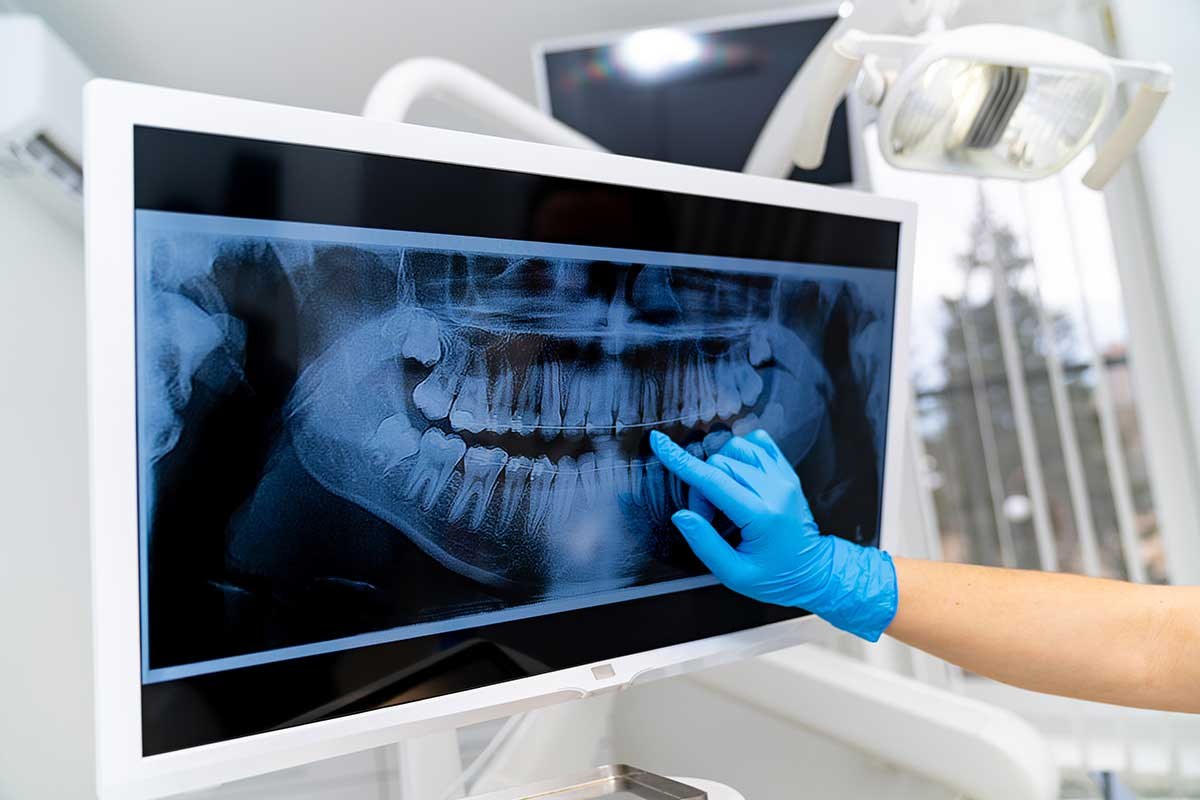
Many plans need small tooth colored bumps bonded to some teeth, which give the tray something to grip so it can make a movement it otherwise could not. They are the same shade as your teeth and come off completely at the end, but they are slightly more visible than the trays alone, and it is better to hear that now than to be surprised in the chair.
Your Teeth Will Feel Loose at Times
Slightly mobile teeth partway through treatment are normal and expected. A tooth has to loosen a little to move at all, and it firms up again as the bone rebuilds around the new position. Tell us if it worries you, and always tell us if a tooth feels loose after treatment has finished.
The Part After
Treatment does not end when the last tray comes out. Teeth drift back toward where they started, and the only thing that prevents it is a retainer. Wearing it is a long term habit rather than a few months of aftercare, and it is far less demanding than the treatment itself. It is also what keeps the results you spent those months earning.
Patients who skip it are the ones who come back in five years asking about aligners again.
Frequently Asked Questions
Can I chew gum with the trays in?
No. It sticks to the plastic and can distort the tray. Take them out, and put them straight into the case.
What if I lose a tray?
Call us. Depending on where you are in the sequence we will usually have you go back to the previous tray or forward to the next one while a replacement is arranged. Do not simply leave them out and wait.
Will people be able to tell?
Across a table, most people do not notice. Close up in bright light they are visible if someone is looking for them. Attachments are the more noticeable part, not the trays themselves.
Can I whiten my teeth at the same time?
It is usually better to wait until treatment is finished, because teeth move into new positions and you want an even result on the surfaces that will be showing at the end. We can talk through the timing at a review appointment.
Ask Us Anything Before You Start
If the day to day is what has been holding you back, that is a good reason to come in and ask rather than keep wondering. The team will talk you through the routine before you commit to anything, not after. We see patients from Meyerland, Bellaire and across southwest Houston. Call 713-723-7200 or request an appointment.