
A tooth that throbs at night, aches when you bite, or will not settle after something hot or cold is usually telling you the nerve inside it is in trouble. A root canal is how that tooth gets saved.
Dr. Chiranjeevi Tummala performs root canals without surgery at Meyerland Family Dentistry on North Braeswood Boulevard, a few minutes from Bellaire. The point of the appointment is to take the pain away and keep your own tooth in your mouth.
If a tooth is hurting now, do not wait for the swelling. Call 713-723-7200.
Signs a tooth may need a root canal
The nerve and blood supply sit in a chamber in the middle of the tooth, in soft tissue called the pulp. When decay, a crack, or a knock lets bacteria reach that chamber, the tissue inside becomes infected, and infected tissue in a sealed space is what produces that particular kind of pain.
Tooth pain is the symptom that brings most people in, but it is not the only one. What patients usually describe:
- Pain that hangs around after something hot or cold, rather than fading straight away
- A tooth that hurts to bite on, or feels bruised
- Aching that wakes you up or gets worse lying down
- A swelling on the gum near the tooth, or a tender lump
- A tooth that has gone grey or darker than its neighbors
- Swelling in the face or jaw, which needs to be seen the same day
Pain that stops is not the same as a problem that stopped. When the nerve dies the ache often eases for a while, and the infection carries on quietly underneath. That is one reason a tooth needing a root canal is sometimes found at a checkup by someone with no symptoms at all.
What non-surgical means
Non-surgical means the whole treatment is done through the top of the tooth. No incision, no stitches, nothing lifted away from the bone.
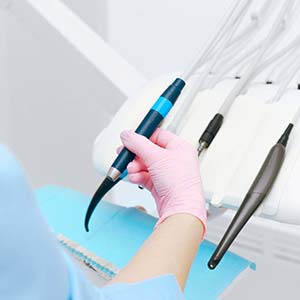
Dr. Tummala works through a small opening in the biting surface, cleans the infected tissue out of the canals inside the root, disinfects them, and seals them. The outside of the tooth and the gum around it are left alone.
This is how the large majority of root canals are done. Surgery only enters the conversation in the situations further down this page.
If you want the procedure explained from scratch, our post on what a root canal actually is covers it without the folklore that has attached itself to the phrase.
What happens at the appointment
Numbing, cleaning and sealing the tooth
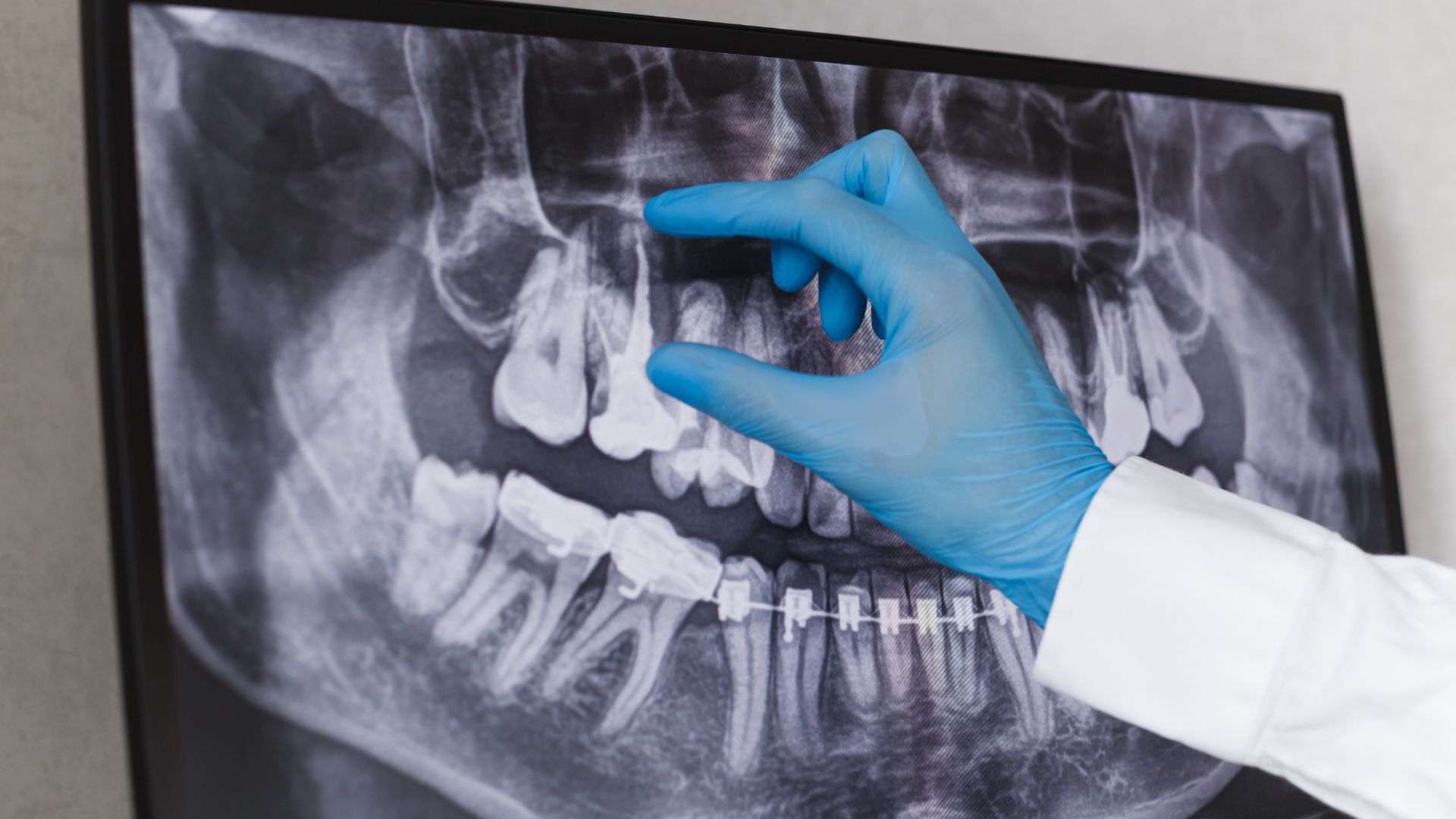
It starts with an X-ray, because the canals inside a root vary from person to person and from tooth to tooth, and she needs to see the shape she is working with.
The tooth is numbed properly before anything begins. If you have had an injection that did not take before, say so, because there are ways around it and it is a normal thing to mention. The tooth is then isolated so it stays clean while she works.
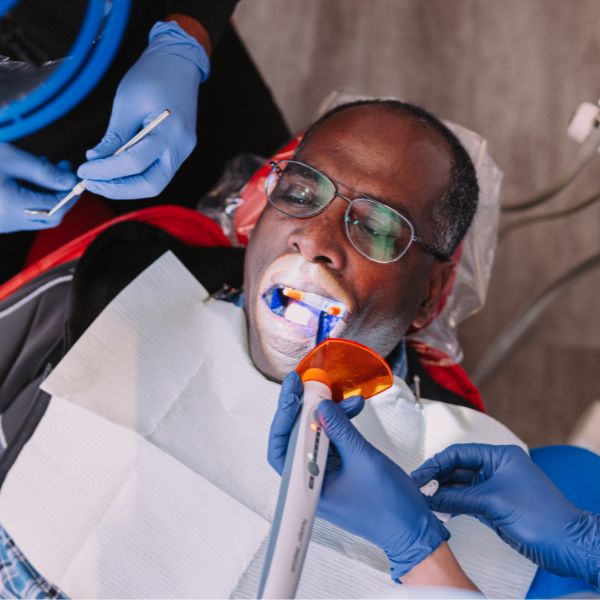
She opens the biting surface, removes the infected tissue from each canal, shapes and disinfects them, and fills them with a sealing material so bacteria cannot get back in. A temporary filling closes the opening.
Root canal therapy is one procedure, not a series of them, and whether it takes one visit or two depends on the tooth and on how much infection is there. Front teeth usually have one canal. Back teeth have more, and they take longer. She will tell you which it is once she has seen the X-ray, along with the cost, and our financial policy covers how payment works. Insurance information explains what to check with your own plan before you come in.
Comfort is planned rather than hoped for. If nerves are the reason you have been putting this off, ask about nitrous oxide or oral sedation when you book.
Afterward, and what counts as normal
The first few days
You can drive yourself home. Wait until the numbness has fully gone before you eat, because it is easy to bite your cheek or your tongue without knowing.
Tenderness for a few days, particularly when you bite on that tooth, is normal. It settles. If you have a temporary filling or a temporary crown, stay off hard and chewy food on that side until the permanent one is fitted.
What is not normal: pain that is getting worse rather than better after the first few days, swelling that spreads, or a temporary filling that comes out. Call the office if any of those happen. Do not wait it out.
When surgery is needed instead
Cases that need a surgical approach
Occasionally a tooth cannot be dealt with through the top alone. The canal may be blocked or unusually curved, the infection may sit at the very tip of the root, or a tooth that was treated years ago may have flared up again.
In those cases the treatment is done through the gum instead, reaching the root tip directly. Both approaches are aiming at the same thing, which is stopping the infection and keeping the tooth.
Which of the two procedures you need is decided by what the X-ray shows, not by preference. Dr. Tummala will explain what she is seeing, and if your case is better handled by one of the endodontic doctors we refer to, she will tell you that instead of attempting it.
The crown that usually follows
A treated tooth is hollow where the nerve used to be, and it no longer has its own blood supply, so over time it becomes more brittle than the teeth around it.
On a back tooth, that matters. Back teeth take the heaviest force when you chew, and a root-treated back tooth without a crown over it can split. A split tooth often cannot be saved, which would waste the root canal you just had.
Front teeth sometimes do fine with a filling instead, depending on how much of the tooth is left. Dr. Tummala will tell you which applies to your tooth rather than treating it as automatic.

Root canal, or take the tooth out
People ask this often, and it is a fair question. Removing a tooth is quicker and it ends the problem that day.
It also starts a longer one. Once a tooth is gone the bone that held it begins to shrink and the teeth either side start to drift, so an extraction usually leads to a decision about replacing it, whether with a single dental implant, a bridge or a partial denture. If you would rather go that route, our page on tooth extractions explains what is involved.
Nothing replaces a natural tooth as well as the natural tooth. That is the case for the root canal, and it is why Dr. Tummala will usually suggest trying to keep it if the tooth can be saved.
Patients we see across Meyerland and southwest Houston
Our office is at 4455 N Braeswood Blvd, Suite 201, Houston, TX 77096, with parking on site. Our team sees patients from right across the area, and most of the people we treat live nearby, in Meyerland, Bellaire, Braeswood Place, Westbury and Willow Meadows, across the 77096, 77035 and 77025 ZIP codes.
A tooth that has flared up over a weekend is one of the calls we try hardest to fit in. See emergency dental care for what needs same-day attention. If you are choosing a practice rather than booking a treatment, our Meyerland and Bellaire pages cover what to expect.
If a tooth is painful, sensitive, or the gum near it has swollen, get it looked at. Dr. Tummala will examine it, take an X-ray, and tell you whether a root canal will save it. Call 713-723-7200 or use our appointment page.
Frequently Asked Questions
Does a root canal hurt?
This is the question we hear most, and the reputation is largely out of date. A root canal is done to relieve the pain you are already in, not to add to it. We numb the tooth thoroughly first, and most patients say the appointment itself feels much like having a filling placed. Your tooth may be tender for a few days afterward as the area settles down.
How do I know if I need one?
The pattern most people describe is pain that lingers after something hot or cold instead of fading, a tooth that is sore to bite on, or an ache that is worse at night. A swelling on the gum beside the tooth, or a tooth that has darkened, both point the same way. Some teeth give no warning at all and turn up on an X-ray at a checkup, which is the argument for not skipping them.
How many visits will it take?
Usually one or two, depending on which tooth it is and how much infection is present. Back teeth have more canals than front teeth, so they take longer. Dr. Tummala will tell you what to expect once she has seen the X-ray.
Do I need a crown afterward?
Often, yes, particularly on a back tooth. A tooth that has had a root canal becomes more brittle over time, and back teeth take the most force when you chew, so a crown protects it from cracking. Front teeth sometimes do fine without one. We will talk it through based on which tooth it is and how much of the natural structure is left.
Would it be simpler to just pull the tooth?
Pulling it is faster, but it starts a longer story. Once the tooth is gone you are choosing between leaving a gap, which lets the bone shrink and the neighboring teeth drift, or replacing it with an implant or a bridge. Keeping your own tooth is almost always the better long term outcome when it can be saved. If it truly cannot be saved, we will tell you that honestly and walk you through the replacement options.