
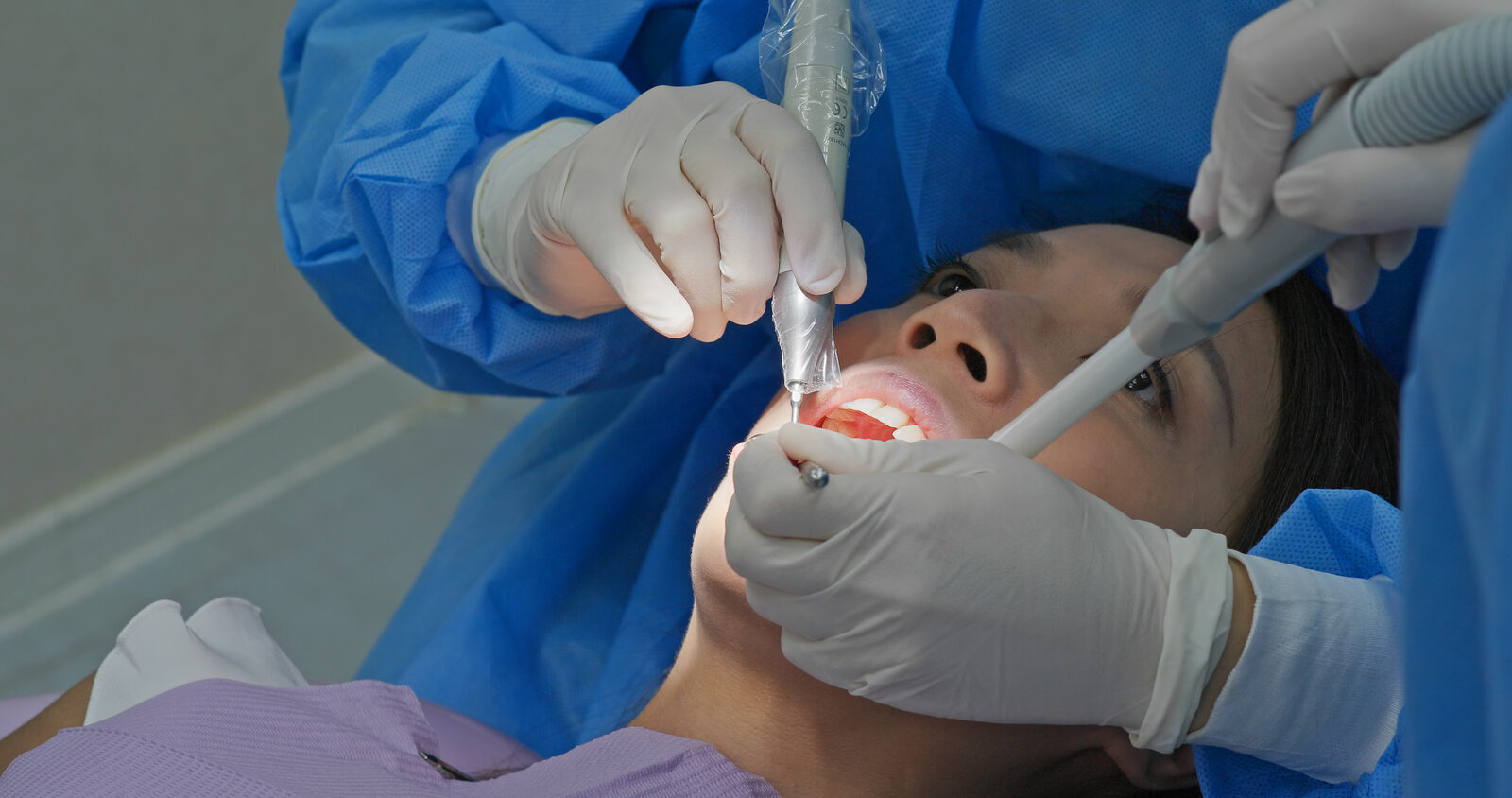
If your dentist has said you need a deep cleaning, you are probably wondering how it is different from the cleaning you get every six months, and whether it is really necessary. Those are fair questions, and the answer comes down to what is happening below your gum line.
A deep teeth cleaning, also called scaling and root planing, removes the plaque and tartar that have collected in pockets under the gums, where a regular cleaning does not reach. It is the standard first treatment for gum disease. Dr. Chiranjeevi Tummala provides deep cleanings at our office on North Braeswood Boulevard in Meyerland, for patients across Bellaire and southwest Houston.
To find out whether you need one, call 713-723-7200 or request an appointment.

What Is a Deep Teeth Cleaning?
Healthy gums sit snugly against your teeth. When plaque builds up along the gum line, the gums become inflamed and start to pull away, leaving small pockets. Bacteria collect in those pockets, harden into tartar, and keep the inflammation going. A toothbrush and floss cannot reach them.
A deep cleaning treats those pockets. It has two parts. Scaling removes plaque and tartar from the tooth and the root surface below the gum line. Root planing smooths the root so bacteria have a harder time sticking to it and the gum has a cleaner surface to reattach to.
The goal is to stop the infection, calm the inflammation and give the pockets a chance to shrink, before the bone that holds your teeth in place is affected.
Deep Cleaning vs a Regular Cleaning
The difference is where the cleaning happens and why.
- A regular cleaning is preventive. It cleans the visible tooth surfaces and just under the gum line on healthy gums. Our teeth cleaning page covers what that visit involves.
- A deep cleaning is treatment. It goes down into pockets that have already formed, cleans the root surface, and is usually done with the area numbed.
A regular cleaning on a mouth with gum disease is a bit like sweeping a floor that has a leak under it. The surface looks better for a while, but the problem underneath keeps going.
Signs You May Need a Deep Cleaning
Gum disease is usually quiet. Many people need a deep cleaning without ever having felt pain. Signs worth paying attention to include:
- Gums that bleed when you brush or floss
- Red, puffy or tender gums
- Bad breath that does not go away
- Gums pulling back so teeth look longer
- Teeth that feel slightly loose or have shifted
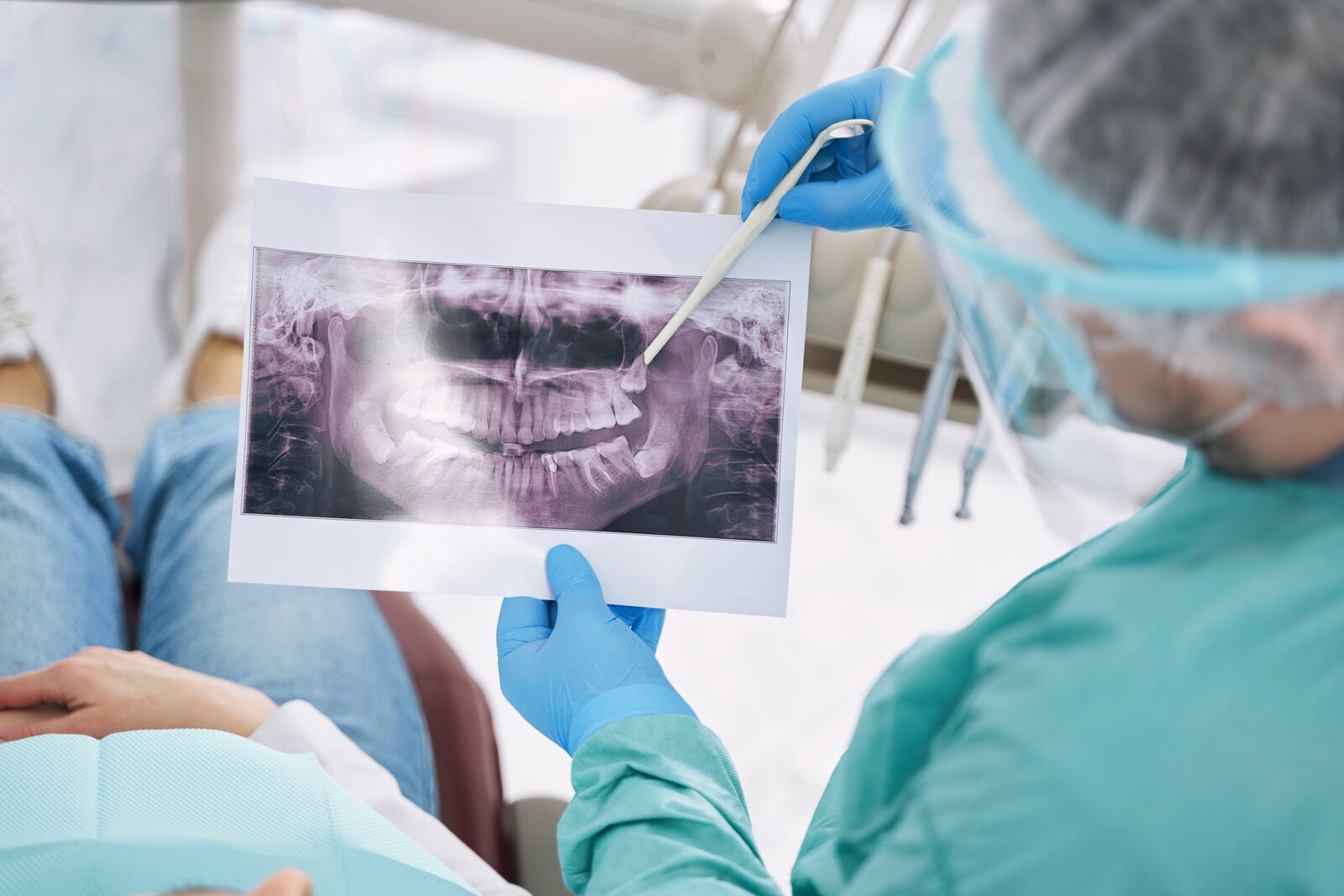
The deciding factor is a measurement, not a symptom. At your exam, Dr. Tummala measures the space between each tooth and the gum with a small probe. Healthy pockets are shallow, usually around one to three millimeters. Deeper pockets, along with x-rays showing changes in the bone, are what tell her a deep cleaning is needed. We explain more about warning signs in bleeding gums and when to worry.
Why Treating Gum Disease Early Matters
Gum disease moves in stages. In the earliest stage, gingivitis, only the gum tissue is inflamed and a good professional cleaning plus better daily habits can reverse it. Once pockets form, the infection starts working on the bone and the ligament that anchor each tooth. That damage is slow, usually painless, and does not reverse on its own.
Left untreated, the result can be gums that recede, teeth that loosen, and eventually teeth that are lost. Our post on what causes gums to recede covers one of the first visible changes. A deep cleaning done at the right time is far simpler than replacing a tooth later.

What Happens During a Deep Cleaning
Most deep cleanings follow the same steps.
Numbing first
The area is numbed with local anesthetic, so you should feel pressure and scraping rather than pain. If you are anxious about dental visits, tell us when you book.
Scaling and root planing
Using hand instruments and an ultrasonic scaler, the plaque and tartar are removed from each tooth and root, then the root surfaces are smoothed.
One area at a time
The mouth is often treated in sections, usually half or a quarter at a time, so a full deep cleaning may take two visits. That keeps each appointment comfortable and lets you eat on the other side.
Sometimes a little extra help
For deeper pockets, Dr. Tummala may place a local antibiotic directly into the pocket. Our page on Arestin explains how that works.
Where Laser Treatment Fits
For some patients, a deep cleaning is combined with laser treatment. The cleaning handles the root surface; the laser works on the inflamed tissue lining the pocket and reduces bacteria. It is an addition to the deep cleaning, not a replacement for it.
Whether laser treatment makes sense depends on how deep the pockets are and how the gums respond. Our laser gum disease treatment page covers it in detail, and what a laser gum treatment visit is like walks through the appointment.
Does a Deep Cleaning Hurt?
With the area numbed, most people find the procedure itself manageable. Afterward, the gums are often tender and your teeth may be more sensitive to cold for a few days to a couple of weeks. Over-the-counter pain relief and soft foods usually cover it.
Some light bleeding when you brush in the first few days is normal. As the inflammation settles, the bleeding should become less frequent, not more. If it gets worse or you notice swelling, call us.

What Affects the Cost of a Deep Cleaning
We do not quote a figure before an examination, because the cost depends on what your mouth needs. The main factors are:
- How many areas need treatment. Deep cleanings are usually planned by quadrant, a quarter of the mouth, and not everyone needs all four.
- How deep the pockets are. Deeper pockets take longer and may need added treatment, such as a local antibiotic or laser.
- Exam and x-rays. These come first and confirm what is needed.
- Follow-up care. Most patients move to more frequent maintenance visits afterward.
After your exam, you get a written plan that sets out what is recommended and what it costs, so you can decide with the full picture.

After a Deep Cleaning: Keeping the Results
A deep cleaning is not the finish line. About four to six weeks later, Dr. Tummala re-measures the pockets to see how the gums have responded. In many cases they measure shallower, and the bleeding has calmed down.
Gum disease can return, so most patients move to periodontal maintenance visits, often every three to four months instead of twice a year. Good brushing and daily cleaning between the teeth matter more than ever. Patients who keep to that schedule tend to keep their teeth.
Deep Cleaning for Patients in Meyerland and Southwest Houston
Our office is at 4455 N Braeswood Blvd, Suite 201, Houston, TX 77096, with parking on site. We see patients from Meyerland, Bellaire, Westbury, Willow Meadows and the wider southwest Houston area, including the 77096, 77035 and 77025 ZIP codes.
If you are looking for a dentist in Meyerland who treats gum disease, the first step is an exam.
Bleeding gums or a recommendation for a deep cleaning are worth acting on sooner rather than later. Call 713-723-7200 or request an appointment.
Frequently Asked Questions
Is a deep cleaning really necessary?
If you have gum pockets deeper than a regular cleaning can reach, yes. Left alone, gum disease can slowly destroy the bone that holds your teeth. A deep cleaning treats the infection below the gum line, which a regular cleaning cannot do.
How is a deep cleaning different from a regular cleaning?
A regular cleaning is preventive and works on healthy gums. A deep cleaning treats gum disease by cleaning and smoothing the root surfaces inside gum pockets, usually with the area numbed.
How long does a deep cleaning take?
It depends on how many areas need treatment. The mouth is often treated in sections over one or two visits, each about an hour or so, so you are not in the chair too long at once.
Will my gums heal after a deep cleaning?
In many cases the gums become healthier and the pockets measure shallower at the follow-up. Bone that has already been lost does not grow back on its own, which is why treating gum disease early matters.
How often will I need a deep cleaning?
The goal is not to repeat it. After a deep cleaning, regular periodontal maintenance visits help keep the gums stable. Some areas may need retreatment if pockets stay deep or the disease returns.
Find Out If You Need a Deep Cleaning
A short exam answers it. Call 713-723-7200 or request an appointment online, and tell us if your gums have been bleeding or sore.